Hindi Language Debate Erupts in India: What It Means for the Future
The debate over Hindi as a national language reignites in India, sparking political clashes. Learn about the controversy, its implications, and future outlook.
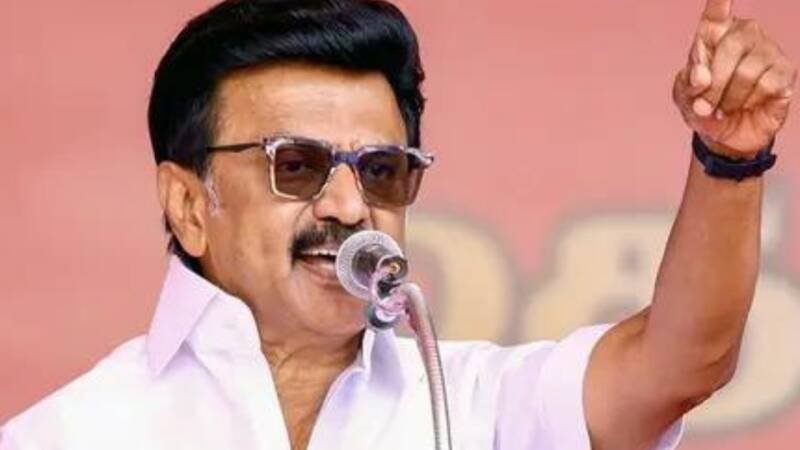



The debate over Hindi as a national language reignites in India, sparking political clashes. Learn about the controversy, its implications, and future outlook.
A familiar and often contentious issue has once again surfaced in India: the role of Hindi as a national language. Recent clashes between Tamil Nadu's Chief Minister M.K. Stalin and the central government, led by the BJP, have brought the debate back into the spotlight, particularly with upcoming elections on the horizon. This isn't just about language; it's about identity, culture, and political power.
The immediate trigger for the renewed conflict stems from concerns over perceived attempts to impose Hindi on non-Hindi speaking regions, particularly in areas like education and government communications. Stalin, representing the DMK party which has long championed Tamil identity, has been vocal in his opposition to these efforts, viewing them as a threat to linguistic diversity and cultural autonomy.
For many in South India, Hindi imposition evokes memories of past struggles and anxieties about being marginalized within a Hindi-dominated national narrative. This is further complicated by the BJP's perceived push for a more unified, Hindi-centric national identity, which resonates differently across the country's diverse linguistic landscape.
This isn't just a regional issue. The Hindi language debate touches upon fundamental questions about India's identity as a multilingual and multicultural nation. How the country balances national unity with respect for linguistic diversity is a crucial challenge. The resurgence of this debate highlights the ongoing tensions between regional identities and national aspirations.
Furthermore, this controversy has significant political implications. The DMK, with its strong base in Tamil Nadu, uses the issue to rally support and solidify its position as a defender of Tamil interests. The BJP, on the other hand, aims to consolidate its support base among Hindi speakers and project an image of national unity. In the lead-up to elections, language becomes a potent political tool.
In our opinion, the crux of the matter lies in the perception of imposition versus promotion. While the central government might argue that it's simply promoting Hindi as a means of communication and national integration, many non-Hindi speakers perceive it as an attempt to marginalize their languages and cultures. This difference in perception fuels the conflict and makes finding a middle ground difficult.
The timing of this resurgence is also critical. With elections approaching, both the DMK and the BJP stand to gain from highlighting this issue. The DMK can solidify its support in Tamil Nadu by portraying itself as the protector of Tamil language and culture, while the BJP can galvanize its base in Hindi-speaking regions by emphasizing national unity and the importance of a common language. This could impact voter turnout and party alignment in key states.
The Hindi language debate is unlikely to disappear anytime soon. It's deeply embedded in India's history, politics, and cultural fabric. Looking ahead, several factors will shape the future of this issue:
Ultimately, finding a sustainable solution to the Hindi language debate requires a nuanced approach that balances national unity with respect for linguistic diversity. This will necessitate open dialogue, mutual understanding, and a willingness to compromise from all stakeholders.
In our view, a more inclusive and decentralized approach to language policy, one that empowers regional languages and promotes multilingualism, would be more effective in fostering national unity and preserving India's rich cultural heritage. Ignoring the concerns of non-Hindi speaking populations risks further exacerbating divisions and undermining the very fabric of Indian society.