Harker Heights Man's Easter Breakfast: A Story of Community and Giving
A 76-year-old man in Harker Heights planned and executed a free Easter Sunday breakfast for his community. Learn why this act of kindness matters and what it says about the power of giving.
Harker Heights Man Feeds His Community This Easter
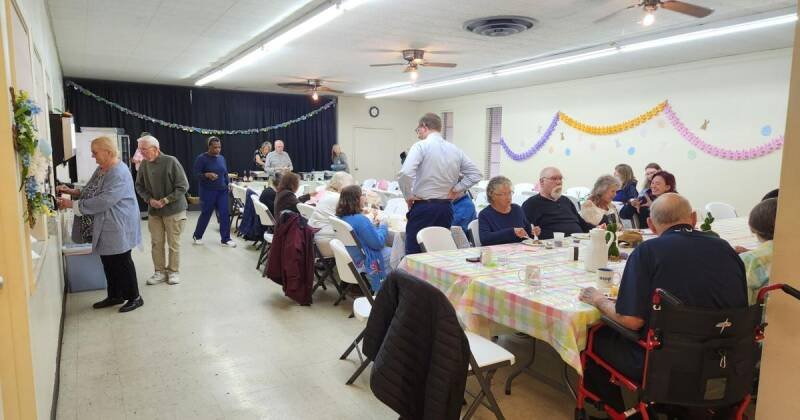
In a world often dominated by headlines of conflict and division, it's easy to overlook the quiet acts of kindness that knit communities together. Recently, in Harker Heights, Texas, Rick Fischbach, a 76-year-old resident, reminded us of the power of simple generosity by providing a free Easter Sunday breakfast for around 100 people at the Harker Heights Methodist Church.
A Simple Act of Giving
Rick Fischbach, described as a natural giver, meticulously planned and prepared the breakfast. This wasn't a spur-of-the-moment decision; it was a carefully considered effort to provide a service to his community, showcasing the true spirit of Easter.
Why This News Matters
This story goes beyond just a free meal. It highlights the importance of community engagement and the impact one person can have. In our opinion, Mr. Fischbach’s actions serve as a powerful example of how small acts of kindness can make a big difference, fostering a sense of belonging and support within a community.
Acts like this are vital because they address a fundamental human need: connection. Sharing a meal is a universal way to build relationships and create a sense of shared experience. Especially on holidays, when feelings of loneliness and isolation can be amplified, such initiatives become even more crucial.
Our Analysis
What makes this story particularly noteworthy is the deliberate planning and preparation involved. Mr. Fischbach didn’t just donate money; he invested his time and effort, personally ensuring that the breakfast was a success. This level of commitment speaks volumes about his dedication to his community.
Furthermore, the choice of the Harker Heights Methodist Church as the venue is significant. Churches often serve as hubs for community activities, and this event reinforces that role. It's a reminder that religious institutions can play a vital part in providing practical support and fostering social cohesion.
The Ripple Effect
It's important to consider the potential ripple effect of this act of generosity. People who received the free breakfast may be more likely to pay it forward in their own way, creating a positive cycle of kindness within the community. Even those who simply heard about the event may be inspired to look for opportunities to help others.
Future Outlook
The question now is: how can we encourage more acts of kindness like this? Promoting volunteerism, supporting local community initiatives, and simply recognizing and celebrating acts of generosity are all crucial steps.
This could impact community engagement by inspiring others to take similar initiatives. Maybe local businesses could partner with community members for bigger events in the future. This is a great start for showing how impactful one person can be!
Building a Culture of Giving
In the future, community leaders and organizations could consider implementing programs that support and facilitate acts of kindness. This could involve creating platforms for volunteers to connect with those in need, providing resources for community events, or simply raising awareness about the importance of giving back.
Ultimately, the story of Rick Fischbach's Easter breakfast is a reminder that even small acts of kindness can have a profound impact. By fostering a culture of giving and community engagement, we can create a more compassionate and supportive society for all.