Handheld Tech Saving Downed Fighter Pilots: Why It Matters
Discover the life-saving handheld tech used by downed fighter pilots and how it revolutionizes rescue missions. Understand the implications for military technology and future advancements.
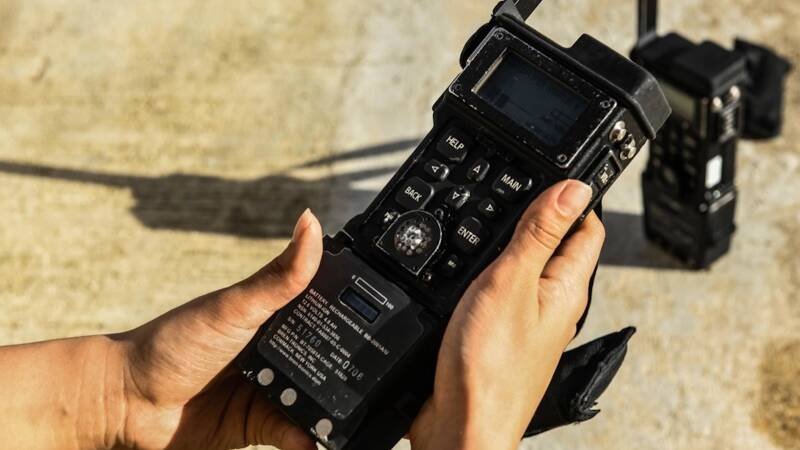



Discover the life-saving handheld tech used by downed fighter pilots and how it revolutionizes rescue missions. Understand the implications for military technology and future advancements.
The primary function of these devices is to act as an emergency beacon. When activated, they send out a distress signal containing the pilot's GPS coordinates. This signal is then picked up by search and rescue (SAR) teams, enabling them to pinpoint the pilot's location with incredible accuracy. Crucially, many models also allow for two-way communication, allowing pilots to relay vital information about their condition and surroundings. Some models may also offer encrypted communication channels for additional security.
These handheld devices often include features such as:
The improvement in survival rates for downed pilots is directly linked to advancements in this handheld technology. These devices dramatically reduce the time it takes for rescue teams to locate and recover pilots, which is critical in life-or-death scenarios. Furthermore, the ability for pilots to communicate with rescuers can provide valuable intelligence, improving the efficiency and safety of rescue operations. This technology represents a significant leap forward in combat search and rescue (CSAR) capabilities. This is a critical aspect of military readiness and maintaining morale, knowing that cutting edge tools are available to assist them if the worst should occur.
In our opinion, the development and deployment of these handheld survival devices represent a major success story for military technology. It highlights the importance of investing in research and development that directly benefits the safety and well-being of service members. The increasing sophistication of these devices, incorporating features like advanced encryption and environmental sensors, demonstrates a continuous commitment to enhancing pilot survival capabilities. However, continuous improvements are needed. Enhancements in battery life and device durability are key areas to focus on. Moreover, integration with wearable technology could provide even more comprehensive support for downed pilots.
These handheld devices aren't just about technology; they're about protecting human lives. The advancements have a profound impact on the psychology of air combat. Pilots knowing they have robust rescue tools likely boosts confidence. It sends a strong message to potential adversaries about the value we place on protecting our own.
The future of handheld survival technology for fighter pilots is bright, with several promising developments on the horizon. We anticipate seeing even more sophisticated devices that leverage artificial intelligence (AI) and machine learning to provide real-time decision support. For example, AI could analyze environmental data and suggest optimal survival strategies, or automatically prioritize communication channels based on threat levels. This could impact not only military operations but also civilian search and rescue efforts.
Furthermore, integration with satellite communication networks will provide truly global coverage, ensuring that pilots can be located and rescued regardless of their location. Advancements in miniaturization will also lead to smaller, lighter devices that are easier for pilots to carry. Nanotechnology will play a critical role in making that a reality. We also foresee increased emphasis on cybersecurity, with even more robust encryption protocols to protect sensitive communication from interception. All in all, these advancements promise to make combat search and rescue operations even more effective and efficient, further enhancing the safety of fighter pilots.
























