Gulf Oil Drilling Exempted: Endangered Species vs. Energy Security
A federal panel exempted Gulf oil drilling from endangered species rules, sparking debate over environmental protection vs. energy independence. Our analysis of the decision and its potential impacts.
Gulf Oil Drilling Exempted from Endangered Species Rules: A Clash of Priorities
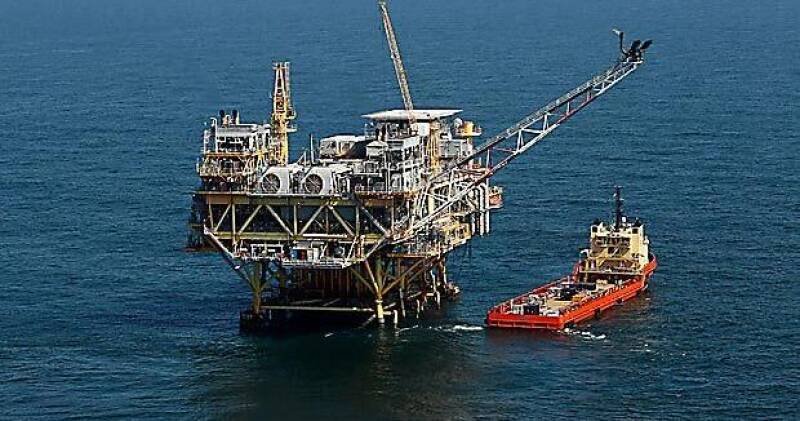
A controversial decision by a U.S. government panel has exempted oil and gas drilling in the Gulf of Mexico from certain provisions of the Endangered Species Act (ESA). This decision, made public on Tuesday, effectively shields the industry from lawsuits alleging harm to protected species, a move that has ignited a firestorm of debate between environmental advocates and proponents of energy independence.
The panel, often referred to as the "God squad," is a rarely convened group of high-ranking government officials tasked with resolving conflicts between economic development and environmental protection. In this instance, they sided with energy security, citing concerns raised by Defense Secretary Pete Hegseth that environmental lawsuits were hindering domestic oil and gas production. This decision allows the Bureau of Ocean Energy Management (BOEM) to proceed with lease sales and permitting without certain constraints previously imposed by the ESA.
The Role of the "God Squad"
The "God Squad," officially known as the Endangered Species Committee, is a powerful but rarely used tool. It possesses the authority to override the ESA, a law designed to protect endangered and threatened species from extinction. This committee consists of several cabinet-level officials. They can only grant exemptions if they determine that no reasonable and prudent alternatives exist and that the benefits of the project outweigh the harm to the species.
Why This News Matters
This decision has far-reaching implications. Firstly, it signals a potential shift in the balance between environmental protection and energy production under the current administration. Secondly, it could open the door for more aggressive oil and gas exploration in the Gulf, potentially increasing the risk of spills and habitat destruction. Finally, this ruling sets a precedent that could be used to weaken environmental protections in other areas where economic development clashes with conservation efforts.
The Gulf of Mexico is a vital ecosystem, supporting a diverse range of marine life, including endangered sea turtles, whales, and fish. Loosening environmental restrictions could jeopardize these vulnerable species and the delicate balance of the Gulf ecosystem. This decision comes at a time when the urgency of addressing climate change is more apparent than ever.
Our Analysis
In our opinion, this decision represents a short-sighted approach to energy security. While increasing domestic oil and gas production might offer temporary relief from high energy prices, it comes at a significant environmental cost. We believe that investing in renewable energy sources and promoting energy efficiency would be a more sustainable and responsible path forward.
The argument that environmental lawsuits are "hobbling" the nation's energy supply is debatable. While litigation can sometimes delay or modify projects, it also serves as a crucial check on industry practices, ensuring that environmental impacts are properly assessed and mitigated. Ignoring the potential consequences of oil and gas drilling on endangered species is a risky gamble that could have devastating long-term effects.
Potential Environmental Impacts
The exemption from the ESA could lead to:
- Increased oil spills and pollution
- Habitat destruction for endangered species
- Disruption of marine ecosystems
- Increased greenhouse gas emissions
Future Outlook
The decision is likely to face legal challenges from environmental groups, who argue that it violates the ESA and ignores the best available science. The courts could ultimately overturn the exemption, reinstating the environmental protections. This could impact future lease sales in the Gulf of Mexico. Alternatively, this could empower the oil and gas industry to pursue projects with less environmental oversight.
Looking ahead, it is crucial for policymakers to adopt a more balanced approach that prioritizes both energy security and environmental sustainability. This requires investing in clean energy technologies, promoting energy efficiency, and strengthening environmental regulations to protect vulnerable ecosystems and endangered species. Ignoring the long-term environmental consequences of short-term energy policies will only exacerbate the climate crisis and jeopardize the health of our planet.
Ultimately, the future of the Gulf of Mexico and its endangered species hinges on a commitment to responsible stewardship and a willingness to prioritize long-term sustainability over short-term economic gains. This could significantly impact the biodiversity of the Gulf of Mexico.