Grocery Prices: What's Up, What's Down, and Why It Matters
Understand the latest trends in grocery prices. Discover which staples are getting cheaper and which are still rising, along with expert analysis and future predictions.
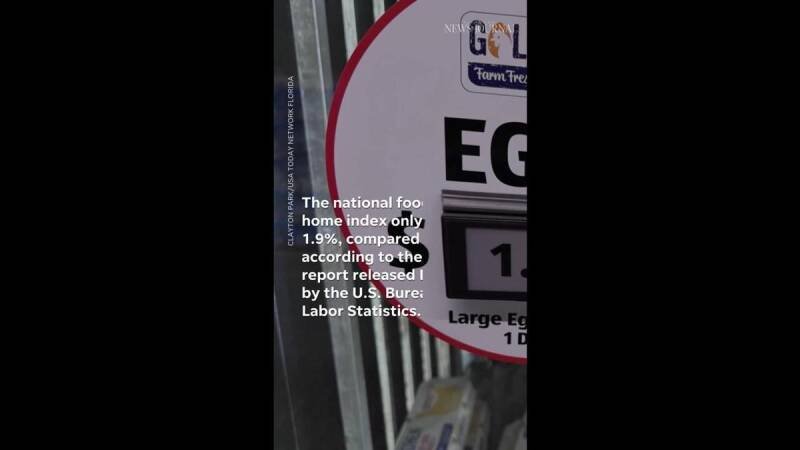



Understand the latest trends in grocery prices. Discover which staples are getting cheaper and which are still rising, along with expert analysis and future predictions.
Grocery shopping these days can feel like a rollercoaster. Some items are surprisingly cheaper, while others seem to climb higher every week. Recent analysis reveals a mixed bag for consumers: while some essential food staples have seen price drops in the last two years, the overall impact on your wallet depends on your shopping list.
The good news is that out of 25 commonly purchased grocery items, 11 have actually decreased in price. This provides some relief amidst the ongoing concerns about inflation and the rising cost of living. However, the price increases in other categories have largely outweighed these savings, leaving many families feeling the pinch at the checkout.
Understanding these price fluctuations is crucial for several reasons. Firstly, it allows families to make informed decisions about their grocery spending. By knowing which items are cheaper, households can adjust their shopping habits and potentially save money. Secondly, these price trends offer insights into the broader economic landscape. They can reflect factors such as supply chain disruptions, changes in consumer demand, and the impact of government policies. Finally, staying informed about grocery prices empowers consumers to advocate for fairer pricing and demand transparency from retailers.
In our opinion, the fact that some grocery staples are getting cheaper highlights the resilience of certain supply chains and the effectiveness of some cost-cutting measures within the food industry. However, the overall increase in grocery prices remains a significant concern. This suggests that factors beyond supply chain issues are at play, such as persistent inflation, increased labor costs, and potentially even opportunistic pricing by some retailers. The disparity between items going up and down in price further suggests a complex interplay of market forces. It is likely that items with significant price drops are experiencing either decreased demand or increased supply. Meanwhile, items with rising prices are likely impacted by a combination of factors, including but not limited to higher production and distribution costs.
This could impact lower-income households disproportionately. These families often have less flexibility in their grocery budgets and rely heavily on affordable staples. Even slight price increases can significantly strain their finances and force them to make difficult choices about what to buy.
Predicting future grocery prices is challenging, as they are influenced by a multitude of factors, including weather patterns, geopolitical events, and economic policies. However, some trends suggest what we might expect in the coming months:
Keep an eye on these key indicators to stay informed about grocery price trends:
Ultimately, navigating the complexities of grocery prices requires vigilance and adaptability. By staying informed and making smart shopping choices, consumers can mitigate the impact of rising costs and ensure they can afford healthy and nutritious food for themselves and their families.
























