Graham Greene, Kim Philby, and Espionage: An Unlikely Friendship Explained
Explore the complex relationship between author Graham Greene and Soviet spy Kim Philby. Why did Greene maintain contact with Philby even after his betrayal? Analysis and future implications.
The Enigmatic Bond: Graham Greene and Kim Philby
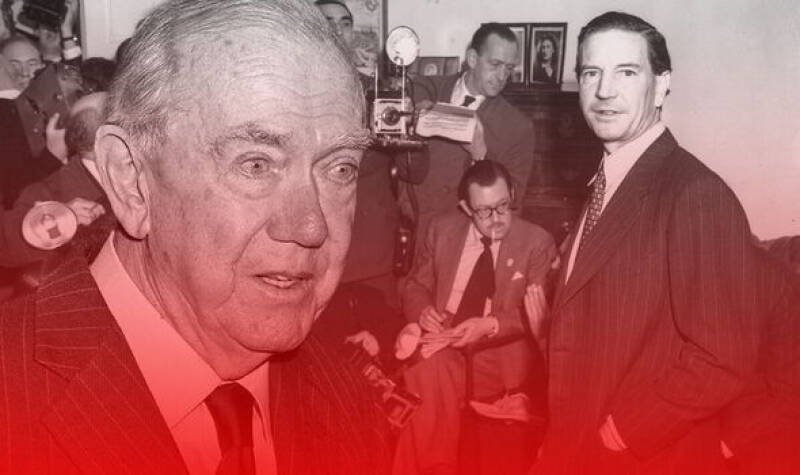
The relationship between the celebrated author Graham Greene and the infamous Soviet spy Kim Philby has long been a source of fascination and speculation. Greene, known for his morally ambiguous characters and insightful explorations of human nature, maintained a friendship with Philby even after the latter's defection to the Soviet Union. This article delves into the possible reasons behind this unlikely bond, drawing on historical context and offering our analysis of the situation.
A Friendship Forged in Intelligence
Graham Greene and Kim Philby met during World War II. Greene worked for MI6, the British Secret Intelligence Service, and Philby was also involved in intelligence work. This shared experience, operating in the shadows and dealing with matters of national security, likely formed a strong initial connection. They both navigated a world of deception and moral compromise, which could have created a sense of camaraderie.
According to reports, and touched upon in new books, Greene refused to condemn Philby's actions, even after Philby was exposed as a KGB agent. He even travelled to Russia to visit Philby. This unwavering loyalty raises important questions about Greene's own views on morality, politics, and the nature of friendship.
Why This News Matters
The Greene-Philby connection reveals the complexities of the Cold War era and the deeply personal relationships that could exist even amidst ideological conflict. It challenges simplistic narratives of good versus evil and forces us to consider the motivations and loyalties of individuals operating in a world of espionage and betrayal. Understanding this relationship can provide insights into the psychological toll of intelligence work and the enduring power of personal bonds.
Our Analysis
In our opinion, several factors likely contributed to Greene's unwavering friendship with Philby. First, there was the shared experience of working in intelligence during wartime. This forged a bond that transcended political differences. Second, Greene may have been fascinated by Philby's complex character. Greene's novels often explored morally ambiguous individuals, and Philby, a charming and intelligent man who betrayed his country, would have been a compelling subject of study. Third, Greene's own skepticism towards Western institutions and values may have made him more sympathetic to Philby's motivations, even if he didn't condone his actions.
Greene was known for his complex moral views. He often explored the gray areas of morality in his writing and was critical of blind patriotism and institutional power. In our view, he may have seen Philby as a fellow traveler in this regard, someone who challenged the status quo and questioned established norms. This shared skepticism could have been a powerful force in maintaining their friendship.
Future Outlook
The legacy of the Greene-Philby relationship continues to spark debate and intrigue. As more information becomes available through declassified documents and scholarly research, our understanding of their bond will continue to evolve. This could impact how we view espionage during the Cold War and the motivations of those involved.
Moving forward, historians and literary scholars will likely continue to analyze Greene's writings for clues about his views on Philby and the ethical dilemmas of espionage. New biographies and critical studies could offer fresh perspectives on this complex relationship, shedding light on the human cost of ideological conflict.
Key Takeaways:
- The friendship between Graham Greene and Kim Philby highlights the complexities of loyalty and betrayal.
- Their relationship underscores the moral ambiguities of the Cold War era.
- Understanding this bond provides insights into the psychological toll of intelligence work.
This extraordinary friendship offers a glimpse into a world of secrets, deception, and the enduring power of human connection, even in the face of profound ideological differences. It remains a compelling reminder of the human dimensions of history.