Gilgo Beach Serial Killer Case: Timeline, Analysis, and Future Outlook
A detailed timeline of the Gilgo Beach murders investigation, Rex Heuermann's arrest, and expert analysis on what's next for the case.
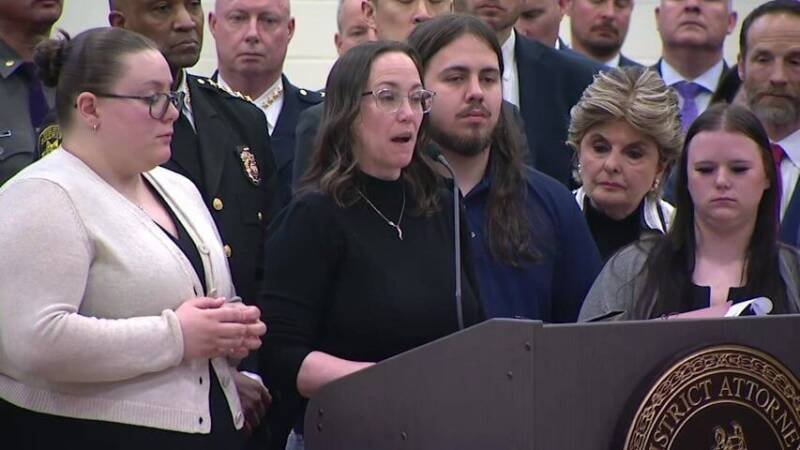



A detailed timeline of the Gilgo Beach murders investigation, Rex Heuermann's arrest, and expert analysis on what's next for the case.
The Gilgo Beach serial killer case, a chilling mystery that haunted Long Island for over a decade, has seen significant developments. The arrest of Rex Heuermann has brought a semblance of closure to the families of the victims, but many questions remain. Let's break down the timeline of this complex case and analyze its implications.
The story began in 2010 when police were searching for Shannan Gilbert, a woman who disappeared after meeting a client for sex work. While searching for Gilbert near Gilgo Beach, Suffolk County, New York, authorities discovered the remains of multiple women. This initial discovery revealed a string of unsolved murders.
Over the next year, investigators uncovered more remains scattered along Ocean Parkway. The victims were predominantly young women, many of whom worked as escorts, sparking speculation about a possible serial killer targeting vulnerable individuals.
Among the identified victims were:
These women represent the human cost of this tragedy. Their lives were cut short, leaving behind grieving families and a community demanding justice.
For years, the Gilgo Beach murders remained a cold case. Despite numerous leads and theories, investigators struggled to identify a suspect. The lack of concrete evidence and the complexities of the case presented significant challenges.
However, advancements in DNA technology and persistent detective work kept the investigation alive. Small breakthroughs, like tracing burner phones used to contact victims, kept investigators focused on finding the perpetrator.
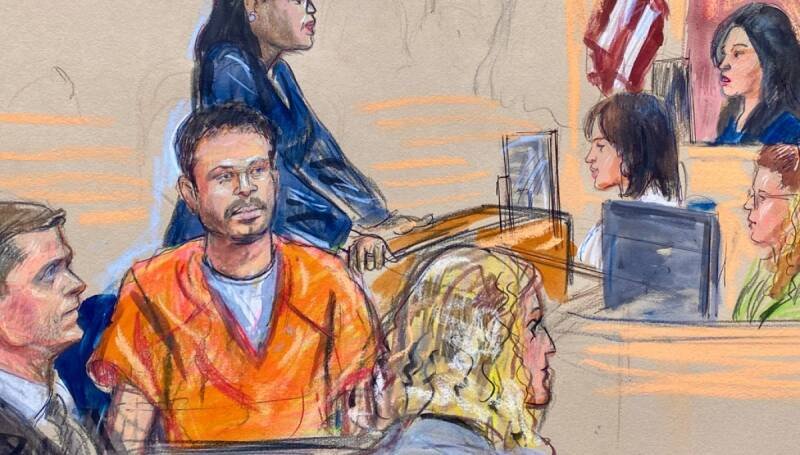
In July 2023, a major breakthrough occurred: Rex Heuermann, an architect from Massapequa Park, was arrested and charged with the murders of Melissa Barthelemy, Megan Waterman, and Amber Costello. He was later also charged with the murder of Maureen Brainard-Barnes.
DNA evidence played a crucial role in identifying Heuermann as a suspect. Investigators matched DNA found on the victims to a pizza crust Heuermann had discarded in a trash can. Additionally, cell phone records and witness testimonies placed him near the crime scenes at the time of the murders.
The Gilgo Beach case highlights the persistence required in solving cold cases. It underscores the importance of forensic science and the dedication of law enforcement. Furthermore, it brings attention to the vulnerabilities faced by sex workers and the need for societal changes to protect them.
The arrest of Rex Heuermann is a significant development, but it's not the end of the story. The investigation is ongoing, and it's possible that Heuermann may be linked to other unsolved murders. In our opinion, the focus now shifts to building a solid case against him and exploring any potential accomplices.
This case also exposes the systemic issues that allow such crimes to occur. We believe a deeper examination of the victims' backgrounds and the circumstances surrounding their disappearances is crucial for preventing future tragedies.
The trial of Rex Heuermann will undoubtedly be a lengthy and complex process. Prosecutors will need to present compelling evidence to secure a conviction. This could impact families of other potential victims if more evidence is found.
The Gilgo Beach case may also lead to reforms in how law enforcement investigates similar crimes, particularly those involving vulnerable populations. Increased funding for forensic technology and improved collaboration between agencies could help solve future cold cases more efficiently. As the investigation continues, there will hopefully be more justice for those affected.