Georgia Power Builds Massive Battery Storage: Why It Matters
Georgia Power is building a huge battery storage system in Georgia. Learn why this project is important for the future of energy, how it works, and what it means for you.
Georgia Power Supercharges Energy Grid with New Battery Storage System
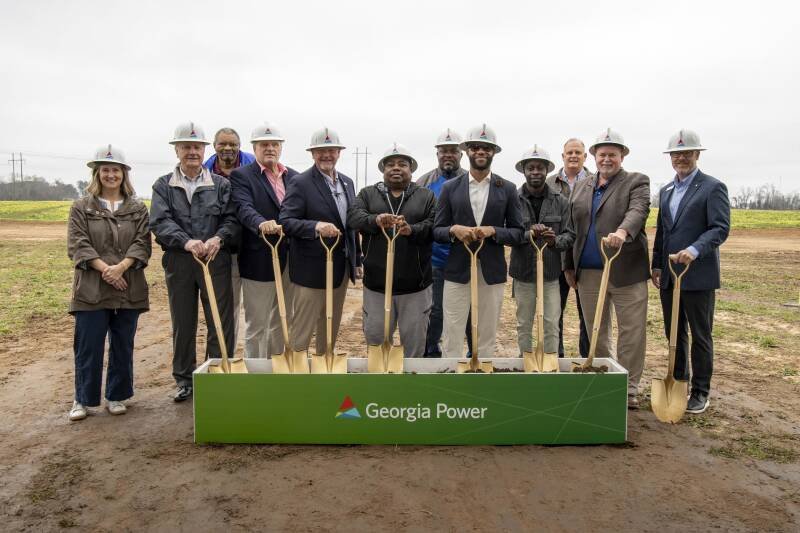
Georgia Power is taking a big step toward a more reliable and sustainable energy future. The company recently began construction on a massive 260-megawatt (MW) battery energy storage system (BESS) in Jefferson County, near Wadley, Georgia. This project, approved by regulators, represents a significant investment in modernizing the state's power grid.
What is a Battery Energy Storage System (BESS)?
A BESS is essentially a giant rechargeable battery. It stores electricity, typically generated from renewable sources like solar and wind, and releases it when needed. This helps to smooth out the intermittent nature of these renewable energy sources, ensuring a consistent and reliable power supply, even when the sun isn't shining or the wind isn't blowing.
Details of the Wadley BESS Project
The new BESS in Wadley is a substantial undertaking. At 260 MW, it will be capable of storing a significant amount of electricity. This capacity allows Georgia Power to:
- Improve grid stability and reliability.
- Integrate more renewable energy sources into the grid.
- Meet peak energy demands more efficiently.
- Potentially reduce reliance on fossil fuel-based power plants during peak times.
Why This News Matters
This isn't just another construction project; it's a crucial development in the ongoing energy transition. Battery storage is becoming increasingly vital for a modern, resilient, and clean energy grid. The Wadley BESS signals Georgia Power's commitment to embracing these technologies and preparing for a future powered by diverse energy sources.
In our opinion, the project's approval highlights a growing recognition of the importance of energy storage at both the state and regulatory levels.
Our Analysis
The decision to build this BESS is smart for several reasons. First, it addresses the growing need for grid stability as Georgia integrates more renewable energy. Second, it helps Georgia Power manage peak demand more effectively, potentially lowering costs for consumers in the long run. Third, and perhaps most importantly, it reduces reliance on traditional fossil fuel power plants, contributing to cleaner air and a smaller carbon footprint.
This could impact the local community near Wadley positively. The project will likely create construction jobs, and potentially longer-term maintenance and operational positions. Moreover, a more reliable power grid benefits everyone in the region.
Economic Benefits
Beyond job creation, the BESS could also stimulate the local economy. The construction phase will require various services and materials, creating opportunities for local businesses.
Environmental Impact
The transition to renewable energy, supported by projects like this BESS, can have positive impacts on the environment, reducing pollution and carbon emissions from traditional power generation.
Future Outlook
The completion of the Wadley BESS is just the beginning. We expect to see more battery storage projects popping up across Georgia and the Southeast as utilities seek to improve grid reliability and integrate more renewable energy. Technological advancements will likely lead to even more efficient and cost-effective battery storage solutions in the future.
Potential Challenges
While the outlook is positive, there are also potential challenges. The cost of battery storage technology remains a factor, and ensuring responsible disposal and recycling of batteries at the end of their lifecycle is crucial. Regulatory frameworks also need to keep pace with the rapid advancements in energy storage technologies.
What's Next for Georgia Power?
It will be interesting to see how Georgia Power leverages this new BESS and how it informs their future energy planning. We anticipate continued investments in renewable energy and energy storage as the company strives to meet growing energy demands while reducing its environmental impact.