Gas Prices and the Midterms: Can Democrats Flip Republican Seats?
Rising gas prices are creating political turmoil. We analyze how Democrats might capitalize on this issue to win Republican seats in the upcoming midterm elections.



Rising gas prices are creating political turmoil. We analyze how Democrats might capitalize on this issue to win Republican seats in the upcoming midterm elections.
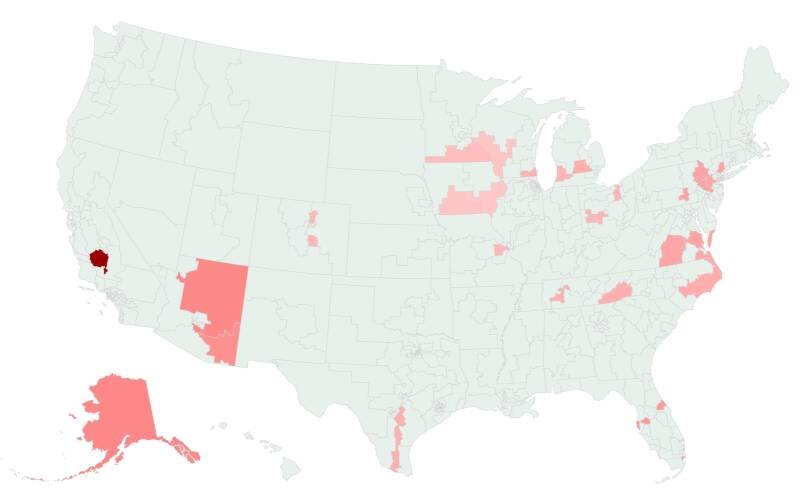
The political landscape is heating up alongside gas prices. Democrats are eyeing a potential advantage in the upcoming midterm elections, targeting 34 Republican-held seats where voters are feeling the pinch at the pump. The rising cost of gasoline, coupled with broader economic anxieties, could significantly influence voter turnout and sway undecided voters.
Democrats believe that frustration over rising gas prices presents a golden opportunity to challenge Republican incumbents. They plan to highlight the perceived failures of Republican energy policies and connect them to the current economic hardships faced by many Americans. The strategy hinges on convincing voters that a change in leadership can lead to lower energy costs.
Specifically, Democrats are focusing on districts where gas prices are particularly high, amplifying their message through local media and targeted advertising. They are framing the issue as a direct result of Republican policies that favor fossil fuel companies over consumer interests.
This news matters because it highlights the direct link between everyday economic concerns and political outcomes. Rising gas prices are not just an economic issue; they are a potent political catalyst. The midterm elections are often decided by relatively small margins, and issues like gas prices can be the deciding factor that motivates voters and shifts their allegiance.
Furthermore, the Democrats' strategy of targeting specific districts reveals a sophisticated understanding of voter demographics and regional economic disparities. By focusing on areas where gas prices are acutely felt, they aim to maximize their impact and potentially flip key seats.
In our opinion, the Democrats' focus on gas prices is a calculated gamble. While high gas prices are undoubtedly a source of frustration for many voters, it remains to be seen whether they can effectively translate that frustration into votes. The success of their strategy will depend on their ability to clearly articulate their alternative energy policies and convince voters that they have a credible plan to lower costs without sacrificing long-term economic growth or environmental sustainability.
It's important to note that factors beyond domestic policies also influence gas prices. Global events, geopolitical tensions, and international supply chains all play a significant role. However, the perception of government control, real or imagined, always colors the voter sentiment.
The connection being made by some Democrats to a specific conflict (mentioned as "Trump's war in Iran" in the prompt) is a politically charged assertion. Whether that rhetoric resonates with voters remains to be seen. The current administration's energy policies are also being brought into question, and their impact on gas prices will be heavily scrutinized.
The future impact of gas prices on the midterm elections will depend on several factors:
This could impact the balance of power in Congress. A successful Democratic strategy could lead to significant gains in the House and Senate, potentially shifting the legislative agenda and impacting future policy decisions. Conversely, if Republicans can successfully deflect blame for high gas prices, they may be able to retain their majority and continue pursuing their own policy objectives.
Ultimately, the battle over gas prices is a microcosm of the larger political struggle for control of the narrative and the hearts and minds of American voters. The coming months will be crucial in determining which party can effectively capitalize on this volatile issue.