Galt Police Tow First E-Bike: Understanding E-Bike Laws and Regulations
Galt Police Department tows its first electric bicycle after educating the public on e-bike laws. Learn about e-bike regulations and what this means for riders.
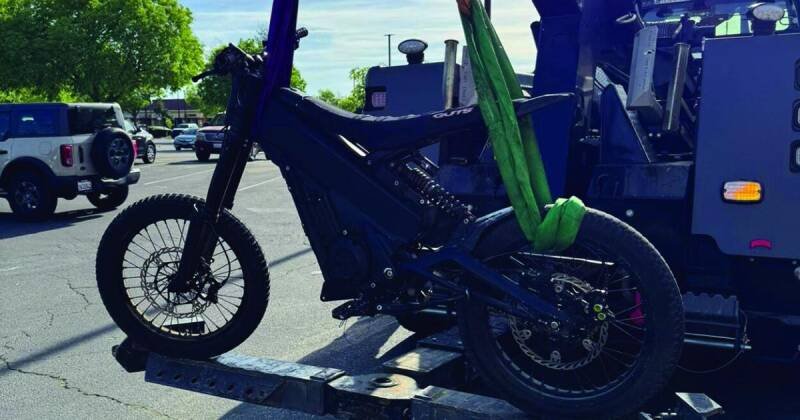



Galt Police Department tows its first electric bicycle after educating the public on e-bike laws. Learn about e-bike regulations and what this means for riders.
The Galt Police Department (GPD) recently towed its first electric bicycle, marking a significant moment in the ongoing effort to enforce e-bike regulations. This event follows months of public awareness campaigns aimed at educating riders about the specific laws governing these increasingly popular vehicles.
Over the weekend, Galt Police Department impounded their first electric bike due to a violation of the California Vehicle Code. While the exact violation wasn't specified in initial reports, the event highlights the seriousness with which local law enforcement is taking e-bike compliance.
For months, the GPD has actively engaged with the public to inform them about the rules of the road for e-bikes, emphasizing that they are not simply bicycles with motors. They are subject to specific regulations intended to ensure the safety of both riders and other road users.
This incident serves as a crucial reminder to all e-bike riders that they must adhere to the same traffic laws as other vehicles. Ignorance of the law is no excuse, and failing to comply can result in fines, impoundment of the e-bike, and potentially more severe consequences. This event also signals a potential shift towards stricter enforcement of e-bike regulations throughout California and beyond.
The increasing popularity of e-bikes as a sustainable and convenient mode of transportation has led to a surge in ridership. However, this also necessitates clear guidelines and effective enforcement to prevent accidents and ensure responsible use. This towing incident underscores the importance of e-bike education and awareness.
In our opinion, the Galt Police Department is taking a proactive approach to managing the increasing presence of e-bikes on city streets. While some might view this as heavy-handed, it's essential to remember that e-bikes, despite their eco-friendly nature, can pose safety risks if not operated responsibly. It's not just about the bike, but the safety of everyone around it.
The key takeaway here is that education is crucial. Many people purchasing e-bikes might not be fully aware of the specific laws and regulations that apply to them. Clearer communication from retailers and manufacturers, coupled with ongoing public awareness campaigns, can help prevent future incidents and ensure that e-bikes are used safely and legally.
California law classifies e-bikes into three classes, each with different regulations:
Rules vary by class. Class 1 and 2 bikes can generally be used on bike paths and trails, while Class 3 bikes are often restricted from these areas. Helmets are required for riders under 18 on all classes. Knowing these classifications is critical to riding legally.
This event could impact e-bike riders significantly. We anticipate increased scrutiny from law enforcement and a greater emphasis on e-bike education programs. This increased oversight could lead to fewer violations and safer streets.
Looking ahead, it's likely that other cities and towns will follow Galt's lead in enforcing e-bike regulations. This could result in a more standardized approach to e-bike management across California and other states. The long-term success of e-bikes as a viable transportation option depends on responsible usage and effective enforcement of existing laws.
For e-bike riders, it is absolutely crucial to familiarize yourself with the applicable laws in your area. Check the California Vehicle Code and consult with local law enforcement if you have any questions. Safe and responsible riding is the best way to ensure that e-bikes remain a welcome addition to our communities. Failure to do so, may lead to penalties.