Fuel Stockpiling Concerns Rise in Satkhira: What It Means For You
Long queues and stockpiling allegations at a Satkhira filling station raise concerns about fuel availability. We break down the situation, analyze the potential impact, and look at what the future might hold for local consumers.
Fuel Stockpiling Concerns Rise in Satkhira: What It Means For You
Reports are emerging from Satkhira about potential fuel stockpiling at a local filling station, leading to long queues and anxieties among residents. This news arrives amidst global economic uncertainty and fluctuations in fuel prices, making it a particularly sensitive issue for consumers.
The Situation on the Ground
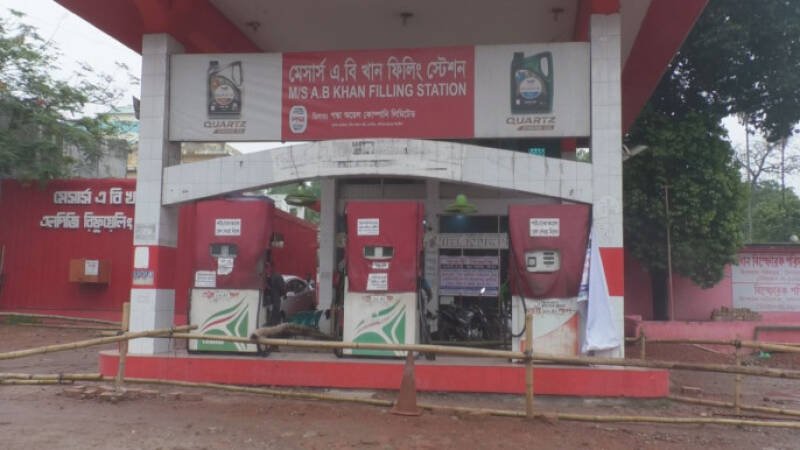
According to reports, hundreds of people are lining up at a filling station in Satkhira, reportedly fueled by concerns about potential shortages. The government-appointed "tag officer" for the station, Harun-or-Rashid, stated that the station currently holds 5,144 liters of petrol and 1,735 liters of octane.
What We Know
- Long queues are forming at a filling station in Satkhira.
- Concerns about fuel availability are driving the rush.
- The filling station has 5,144 liters of petrol and 1,735 liters of octane in stock, according to the tag officer.
Why This News Matters
This situation in Satkhira highlights broader anxieties about fuel availability and pricing. Even if the filling station has sufficient stock right now, the perception of a potential shortage can trigger panic buying and exacerbate the very problem people are trying to avoid. This could impact the local economy, potentially disrupting transportation, agriculture, and other sectors dependent on fuel.
Beyond the immediate impact, this incident serves as a reminder of the global factors influencing local fuel markets. International events and price fluctuations can quickly ripple through the supply chain, impacting consumers at the pump. Understanding these dynamics is crucial for informed decision-making.
Our Analysis
The key question here is whether the existing fuel stock is sufficient to meet local demand, given the surge in buying. While the tag officer reports adequate supplies, the long queues suggest a disconnect between perceived and actual availability. In our opinion, simply stating the stock levels isn't enough. Transparency is critical in these situations. The filling station and local authorities need to communicate clearly with the public, providing regular updates on stock levels and reassuring them that there is no immediate cause for alarm.
It's also important to investigate the root causes of the stockpiling concerns. Are people genuinely worried about a future shortage, or are rumors and misinformation driving the behavior? Addressing the underlying anxieties is crucial to preventing further panic buying.
Potential Contributing Factors:
- Rumors of impending fuel price increases.
- Concerns about global supply chain disruptions.
- Lack of clear communication from authorities.
Future Outlook
The future depends on several factors, including global fuel prices, the stability of the supply chain, and the effectiveness of communication from authorities. If global prices continue to rise, or if supply disruptions occur, the situation in Satkhira could worsen. However, with proactive communication and transparent stock management, the situation can be stabilized.
This could impact neighboring regions if the concerns are not addressed. It's essential for the government to have strategies in place to manage potential fuel shortages and ensure equitable distribution across all regions. This includes monitoring stock levels, combating misinformation, and implementing rationing measures if necessary.
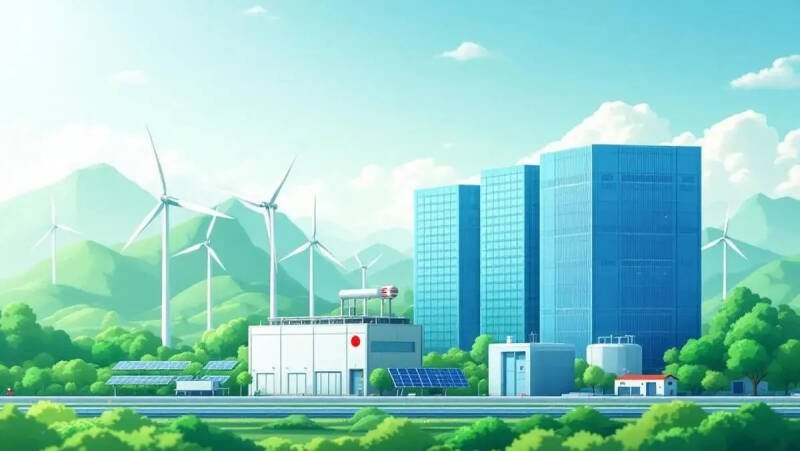
Long term, investing in renewable energy sources and improving energy efficiency is crucial for reducing dependence on fossil fuels and mitigating the impact of global price fluctuations. This will lead to greater energy security and a more sustainable future.