FSSAI Document Leak: NHRC Calls for Investigation - Implications and Future
The NHRC demands a thorough investigation into a leaked FSSAI document. Learn about the potential implications for food safety and regulation in India.



The NHRC demands a thorough investigation into a leaked FSSAI document. Learn about the potential implications for food safety and regulation in India.
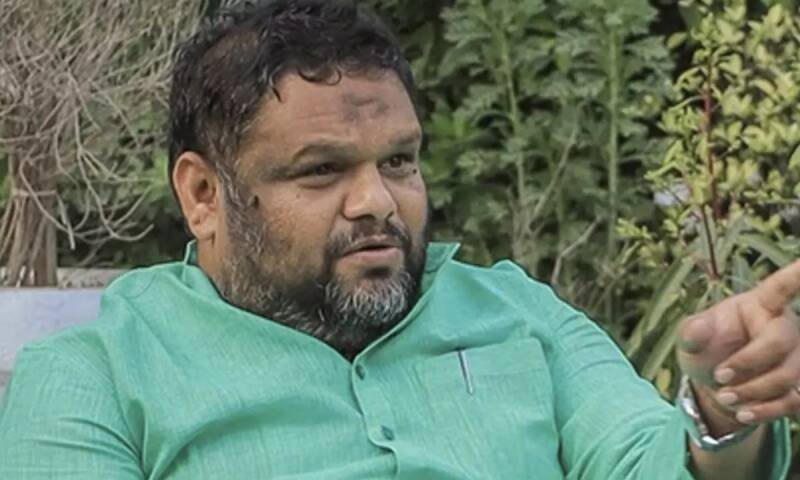
A significant development in the realm of food safety and regulation in India has unfolded. Priyank Kanoongo, a member of the National Human Rights Commission (NHRC), has called for a comprehensive investigation by the Delhi Police into the alleged leakage of confidential documents from the Food Safety and Standards Authority of India (FSSAI).
The core of the issue revolves around the potential breach of sensitive information. Kanoongo has publicly stated that the Delhi Police should meticulously examine the leaked documents and uncover who was responsible for their release and what their motives might have been. The focus of the investigation is not only on identifying the source of the leak but also on understanding the implications for FSSAI's operations and the integrity of its regulatory processes.
According to the initial reports, the leaked documents contain information that could potentially compromise FSSAI's ability to effectively monitor and enforce food safety standards. Details of planned inspections, internal communications, and strategic decisions may have been exposed, putting the system at risk.
This incident has far-reaching consequences for public health and consumer confidence in the Indian food industry. FSSAI is the apex body responsible for setting and enforcing food safety standards across the country. Any compromise to its operations can directly impact the safety of the food we consume. If sensitive information is in the wrong hands, it could be exploited to circumvent regulations, potentially leading to the sale of unsafe or substandard food products.
Furthermore, the leak raises serious questions about the integrity of the institution and the safeguards in place to protect confidential information. This can erode public trust in FSSAI and its ability to ensure food safety. This incident also raises serious questions about whistleblower protection. Are people who come forward with valid concerns protected, or are they left vulnerable?
In our opinion, this incident points to a potential systemic vulnerability within FSSAI. The investigation must not only focus on the individual(s) responsible for the leak but also on identifying and addressing any weaknesses in data security and internal control procedures. We also believe that greater transparency is needed. While sensitive information must be protected, ensuring transparency with the public in the regulation and monitoring of food safety will build trust and confidence.
The role of the accused, whoever they may be, needs to be thoroughly scrutinized. Were they motivated by financial gain, political pressure, or a genuine desire to expose wrongdoing? Understanding the motivation behind the leak is crucial for preventing similar incidents in the future.
The outcome of the Delhi Police investigation will have significant implications for the future of food safety regulation in India. A thorough and transparent investigation is essential to restore public confidence in FSSAI. This could impact the way regulatory bodies handle sensitive information.
Ultimately, this incident serves as a wake-up call for FSSAI and other regulatory bodies to prioritize data security, transparency, and accountability. This event underscores the critical importance of safeguarding the integrity of food safety regulation and protecting the health and well-being of Indian consumers.