Eye Drops Recall 2026: CVS and Walgreens Pull Millions of Bottles
Learn about the massive eye drop recall affecting CVS and Walgreens in 2026. Discover the reasons behind the recall, which products are affected, and what it means for your health.
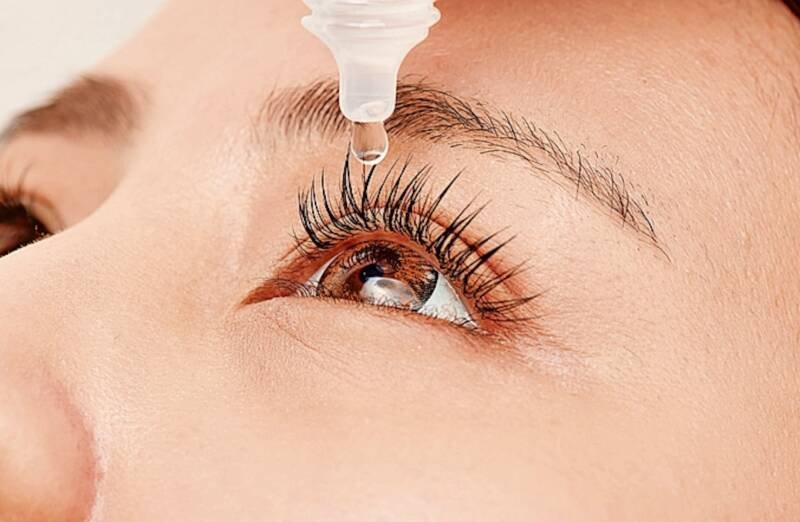



Learn about the massive eye drop recall affecting CVS and Walgreens in 2026. Discover the reasons behind the recall, which products are affected, and what it means for your health.
In a significant move for consumer safety, over 3 million bottles of eye drops have been recalled from major pharmacy chains CVS and Walgreens in early 2026. The recall, classified as Class II by the Food and Drug Administration (FDA) on Tuesday, March 31st, raises concerns about the quality and potential contamination of these widely used products.
It's important to understand what a Class II recall means. According to the FDA, a Class II recall is issued when a product may cause temporary or medically reversible adverse health consequences, or where the probability of serious adverse health consequences is remote. While not as severe as a Class I recall (which involves serious health risks or death), a Class II recall still indicates a potential problem that requires immediate action.
While specific brand names haven't been widely publicized to prevent unnecessary panic about unrelated eye drops, it's crucial to check the lot numbers of any eye drops purchased from CVS and Walgreens recently. Consult the CVS and Walgreens websites, and social media channels, for the most up-to-date lists of affected products and lot numbers.
The recall primarily affects over-the-counter (OTC) lubricating eye drops, often used for dry eye relief. Prescription eye drops are generally manufactured under more stringent controls and are less likely to be involved in this specific recall.
This recall is significant for several reasons:
In our opinion, this eye drop recall underscores the critical need for robust quality control processes in the pharmaceutical industry. While Class II recalls are less severe than Class I, the sheer volume of affected products suggests a systemic issue rather than an isolated incident. The fact that millions of bottles were distributed across two major pharmacy chains indicates a potential breakdown in quality assurance procedures somewhere along the line.
This could impact consumer behavior as well. People may become more cautious about purchasing OTC eye drops, potentially seeking alternatives like prescription medications or non-pharmaceutical remedies. We believe this event will trigger a wave of heightened scrutiny from regulatory bodies, leading to stricter guidelines and more frequent inspections of manufacturing facilities.
Looking ahead, we anticipate the following developments:
Ultimately, this eye drop recall serves as a wake-up call for the pharmaceutical industry and regulatory agencies. Maintaining the safety and quality of medications is paramount, and continuous improvement in quality control processes is essential to protect public health. Check your medicine cabinets and contact your pharmacy or physician if you have concerns about your medications.
























