European Natural Gas Prices: What's Happening and Why It Matters
European natural gas prices remain stable as US and Iran consider nuclear talks. Learn about the factors influencing energy markets, potential impacts, and future outlook.



European natural gas prices remain stable as US and Iran consider nuclear talks. Learn about the factors influencing energy markets, potential impacts, and future outlook.
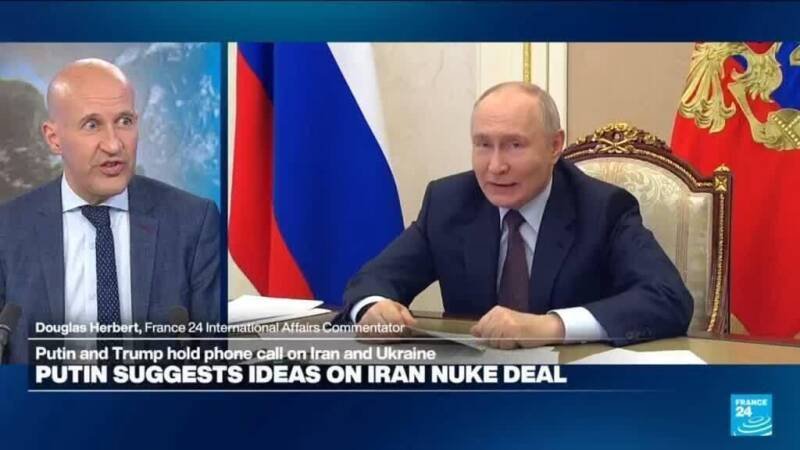
European natural gas prices have remained relatively stable recently. This comes as the US and Iran are exploring the possibility of returning to negotiations regarding Iran's nuclear program. The energy market is closely watching these developments, as they could have significant implications for global gas supplies.
Europe relies heavily on natural gas for power generation, heating, and industrial processes. Traditionally, a large portion of this gas was supplied by Russia. However, the war in Ukraine has dramatically altered the energy landscape. Sanctions against Russia and disruptions to pipelines like Nord Stream have led to significant price volatility and concerns about energy security. European nations are now actively seeking alternative sources of natural gas, including liquefied natural gas (LNG) from the US and other countries.
The potential return of Iran to the international nuclear agreement, also known as the JCPOA, could have a positive impact on global energy markets. If sanctions are lifted, Iran would be able to increase its oil and gas exports. This increased supply could help ease the pressure on global gas prices and provide Europe with an additional source of energy. However, negotiations are complex and any agreement is far from guaranteed.
The stability of European natural gas prices is crucial for several reasons:
In our opinion, the current stability in European natural gas prices is a fragile one. It reflects a cautious optimism about the potential for US-Iran talks to yield positive results. However, the market remains highly sensitive to any news that could disrupt this fragile equilibrium. The situation in Ukraine continues to be a major factor, and any escalation could send gas prices soaring again.
Furthermore, the success of Europe's efforts to diversify its gas supply remains uncertain. While LNG imports have increased, they are not a complete replacement for Russian gas. Investment in renewable energy sources is crucial for long-term energy security, but these projects take time to develop.
The future of European natural gas prices will depend on a complex interplay of factors:
This could impact European economies significantly. If prices remain stable or decrease, it will provide much-needed relief for households and businesses. However, if prices rise again, it could exacerbate inflationary pressures and hinder economic growth. In the long term, Europe needs to reduce its reliance on fossil fuels and invest in renewable energy to achieve energy security and mitigate climate change. The next few months will be critical in shaping the future of European natural gas prices and the region's energy security.