Emperor's Fukushima Visit: Recovery, Reflection, and the Future
Emperor Naruhito's visit to Fukushima marks 15 years since the disaster. Learn about the ongoing recovery, reflections on the event, and what this means for the future of Japan.



Emperor Naruhito's visit to Fukushima marks 15 years since the disaster. Learn about the ongoing recovery, reflections on the event, and what this means for the future of Japan.
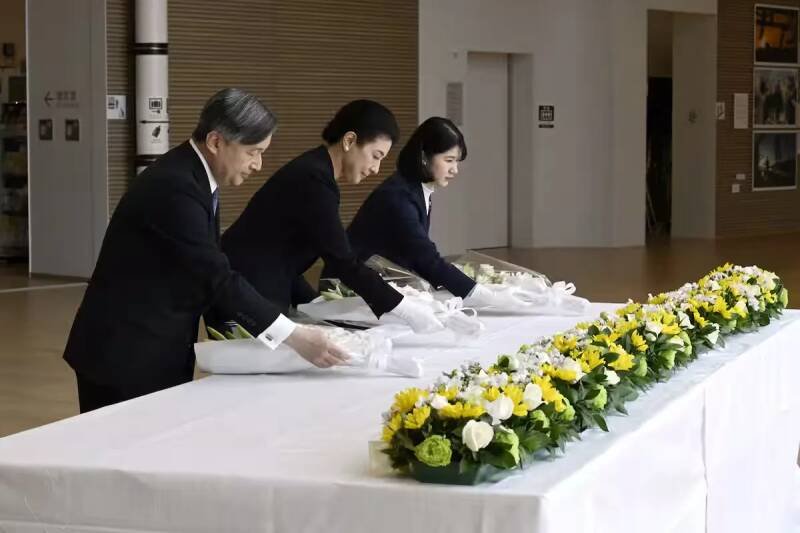
Emperor Naruhito recently visited Fukushima Prefecture, a region deeply scarred by the devastating earthquake, tsunami, and subsequent nuclear disaster of March 2011. This visit, marking the 15th anniversary of the tragedy, served as a powerful symbol of remembrance, solidarity, and hope for the future. He met with evacuees and those involved in the ongoing recovery efforts.
The Emperor's visit was far more than just a formality; it was a moment of profound reflection for the entire nation. He paid respects to the victims of the disaster, demonstrating the Imperial Family's continued commitment to supporting those affected.
The images of the Emperor listening intently to the stories of survivors are particularly poignant. This highlights the importance of remembering the human cost of such disasters and learning from the past.
The Fukushima disaster was a turning point for Japan, exposing vulnerabilities in infrastructure, disaster preparedness, and nuclear energy policy. Emperor Naruhito's visit serves as a reminder of these lessons and underscores the ongoing need for vigilance and support for the affected communities.
Furthermore, the Emperor's presence draws international attention to the continuing recovery efforts in Fukushima. This can encourage further investment, research, and collaboration to address the long-term challenges facing the region.
In our opinion, Emperor Naruhito's visit to Fukushima is a significant event that transcends mere symbolism. It represents a deep-seated commitment from the Imperial Family to stand alongside the people of Japan during times of hardship.
The meeting with evacuees is especially crucial. These individuals continue to face numerous challenges, including displacement, economic hardship, and psychological trauma. The Emperor's acknowledgement of their struggles is a powerful message of support and encouragement.
While significant progress has been made in the physical reconstruction of Fukushima, the psychological and economic recovery is an ongoing process. Many residents are still unable to return to their homes, and the stigma associated with the nuclear disaster continues to affect the region's economy.
The Emperor's visit will hopefully provide momentum for the revitalization of the region and encourage more people to visit and invest in Fukushima. This could impact local economies in a very positive way.
The future of Fukushima depends on a multi-faceted approach that addresses the remaining challenges while fostering innovation and sustainable development. This includes:
Furthermore, Japan needs to continue refining its disaster preparedness strategies to mitigate the impact of future earthquakes and tsunamis. Lessons learned from Fukushima should be applied across the country to ensure the safety and resilience of all communities.
The Imperial Family will likely continue to play a vital role in supporting the recovery of Fukushima and other regions affected by natural disasters. Their presence and empathy can provide solace and hope to those who are struggling. In our opinion, the emperor's role cannot be understated.
Ultimately, the future of Fukushima hinges on the collective efforts of the government, local communities, and the people of Japan. By learning from the past and working together, the region can build a more resilient and prosperous future.