Easter 2026: Explore Beautiful Churches in India - Significance & Analysis
Discover the most beautiful churches in India to celebrate Easter 2026. Explore their history, significance, and what makes them special. Plus, our expert analysis on the impact of Easter on tourism and culture.
Easter 2026: A Spiritual Journey Through India's Majestic Churches
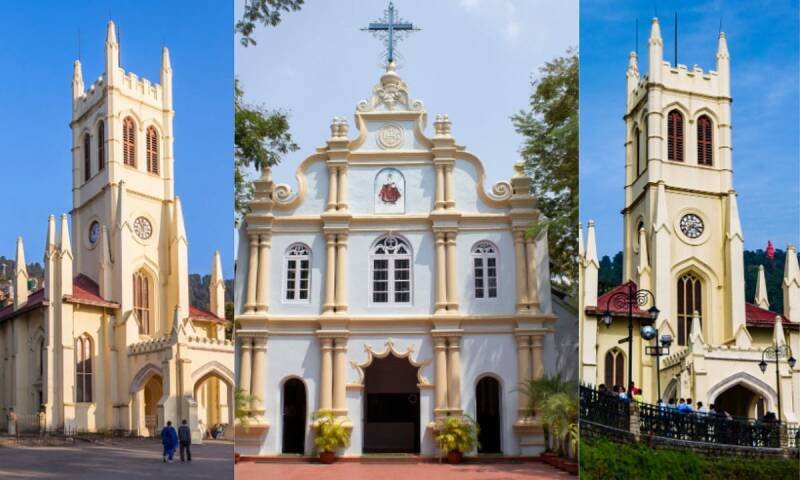
Easter is a profoundly important Christian festival commemorating the resurrection of Jesus Christ. Celebrated with fervor around the world, it symbolizes hope, renewal, and the promise of new beginnings. In India, a land of diverse faiths and vibrant cultures, Easter is observed with unique traditions and a deep sense of spirituality. As Easter 2026 approaches, consider embarking on a spiritual journey to explore some of the most beautiful and historically significant churches across the country.
Goa: The Land of Churches
Goa, with its rich Portuguese heritage, boasts a plethora of stunning churches. Here are a few must-visit locations:
- Basilica of Bom Jesus: A UNESCO World Heritage Site, this basilica houses the sacred relics of St. Francis Xavier. Its baroque architecture and historical significance make it a truly awe-inspiring place.
- Se Cathedral: One of the largest churches in Asia, Se Cathedral is dedicated to St. Catherine. Its impressive size and intricate details are a testament to the grandeur of Portuguese colonial architecture.
- Church of St. Francis of Assisi: This church showcases a blend of architectural styles, including Tuscan, Corinthian, and Baroque. Its interior is adorned with beautiful paintings and carvings.
Kerala: A Cradle of Christianity in India
Kerala has a long and fascinating history of Christianity, dating back to the first century AD. Here are some notable churches to visit:
- St. Francis Church, Kochi: Believed to be one of the oldest European churches in India, St. Francis Church once housed the mortal remains of Vasco da Gama. Its simple yet elegant design is a reflection of its rich history.
- Santa Cruz Basilica, Kochi: This basilica is renowned for its exquisite paintings and intricate decorations. It's a prime example of the architectural prowess of the Portuguese.
- St. Mary's Orthodox Syrian Cathedral, Piravom: A vital place of worship for the Orthodox Christian community, this cathedral holds significant historical and religious importance.
Why This News Matters
Understanding the significance of Easter and the architectural and historical importance of these churches provides valuable insight into India's diverse cultural and religious landscape. This information can enhance travel experiences, promote cultural understanding, and foster appreciation for religious heritage. Furthermore, it can boost religious tourism, benefiting local economies.
Our Analysis
In our opinion, the celebration of Easter in India is a testament to the country's ability to embrace and integrate diverse religious traditions. The churches mentioned are not merely places of worship but also historical landmarks that reflect the complex history of colonial influence and the enduring spirit of Christianity in India. These sites hold immense cultural value and play a significant role in attracting tourists from around the world.
The rise in religious tourism directly correlates to increased revenue for local businesses surrounding these churches. Hotels, restaurants, and transportation services all benefit from the influx of visitors seeking spiritual enrichment and cultural immersion. This, in turn, can lead to job creation and economic development in the regions where these churches are located.
Future Outlook
The future of religious tourism in India looks promising. As awareness of these historical and religiously significant sites grows, we can expect to see an increase in visitors. This could impact the preservation efforts required to maintain these structures. Increased funding and stricter regulations may be necessary to protect these cultural treasures for future generations.
Furthermore, with the rise of digital tourism, virtual tours and online resources will likely play a crucial role in attracting visitors. Churches can leverage technology to showcase their beauty and history to a wider audience, inspiring more people to plan physical visits. This could also lead to the development of more comprehensive and immersive tourism experiences centered around religious sites in India.
In conclusion, exploring the beautiful churches of India during Easter 2026 offers a unique opportunity to delve into the country's rich cultural and religious heritage. By understanding the historical significance and architectural beauty of these sites, we can gain a deeper appreciation for the diverse tapestry of Indian society and contribute to the sustainable development of religious tourism in the country.