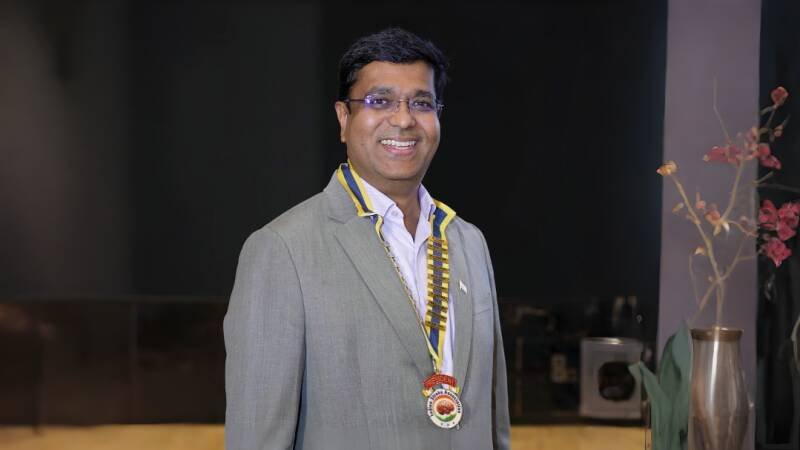
Dr. Vikram Huded Elected ISA President: A New Era for Stroke Care in India
Dr. Vikram Huded becomes ISA President and launches the 'Save the Brain' campaign. Learn how this impacts stroke care in India and what it means for the future.
Dr. Vikram Huded Takes the Helm at the Indian Stroke Association: "Save the Brain" Initiative Launched
Renowned interventional neurologist Dr. Vikram Huded has been elected President of the Indian Stroke Association (ISA), ushering in a potentially transformative era for stroke care across India. Dr. Huded, a leading figure in neuro-interventions and Director of Interventional Neurology at Narayana Health, immediately announced his signature "Save the Brain" initiative upon assuming leadership.
A Fragmented System in Need of Change
India's stroke care system is currently facing significant challenges. Access to timely diagnosis, treatment, and rehabilitation services remains inconsistent, particularly in rural areas. This leads to delayed interventions and poorer outcomes for stroke patients. The "Save the Brain" initiative aims to address these critical gaps and create a more coordinated and effective approach to stroke management.
What is the "Save the Brain" Initiative?
While specific details are still emerging, the "Save the Brain" initiative appears to be a comprehensive plan designed to revolutionize stroke care in India. It likely encompasses several key areas, including:
- Raising Public Awareness: Educating the public about stroke symptoms and the importance of seeking immediate medical attention.
- Improving Diagnostic Capabilities: Enhancing access to advanced imaging technologies and training healthcare professionals in stroke diagnosis.
- Expanding Treatment Options: Promoting the availability of life-saving interventions like thrombolysis (clot-busting drugs) and thrombectomy (surgical clot removal).
- Strengthening Rehabilitation Services: Ensuring that stroke survivors have access to comprehensive rehabilitation programs to regain lost function and improve their quality of life.
Why This News Matters
This is a pivotal moment for stroke care in India. Dr. Huded's election and the launch of the "Save the Brain" initiative represent a renewed commitment to tackling the challenges posed by stroke, a leading cause of disability and death. His expertise and vision, combined with the resources and network of the ISA, have the potential to significantly improve outcomes for stroke patients across the country. A well-executed initiative could drastically change the landscape of stroke treatment in India.
Our Analysis
In our opinion, Dr. Huded's leadership is a positive development. His background as an interventional neurologist, coupled with his experience at Narayana Health, suggests a pragmatic and results-oriented approach. However, the success of the "Save the Brain" initiative will depend on several factors, including:
- Collaboration: Effective collaboration between the ISA, government agencies, hospitals, and other stakeholders is crucial.
- Funding: Securing adequate funding for the initiative will be essential to support its various components.
- Implementation: The initiative must be implemented effectively and efficiently across different regions of India.
We believe the focus on public awareness is particularly important. Many people are unaware of the warning signs of stroke and the need for immediate medical attention. Raising awareness can significantly reduce delays in treatment and improve outcomes.
Future Outlook
The next few years will be critical in determining the success of the "Save the Brain" initiative. If Dr. Huded and the ISA can effectively implement their plans, we could see:
- Reduced stroke mortality rates.
- Improved functional outcomes for stroke survivors.
- Increased awareness of stroke prevention and treatment.
- A more equitable distribution of stroke care services across India.
This could impact the Indian healthcare system as a whole by demonstrating the power of focused leadership and strategic initiatives. The "Save the Brain" initiative could serve as a model for addressing other pressing healthcare challenges in the country. We remain optimistic about the potential impact of this initiative and will continue to follow its progress closely.