Dol Prasad Aryal Elected Speaker of the House: What it Means for Nepal
Dol Prasad (DP) Aryal of the Rastriya Swatantra Party elected Speaker of the House of Representatives unopposed in Nepal. Understand the implications and future outlook.
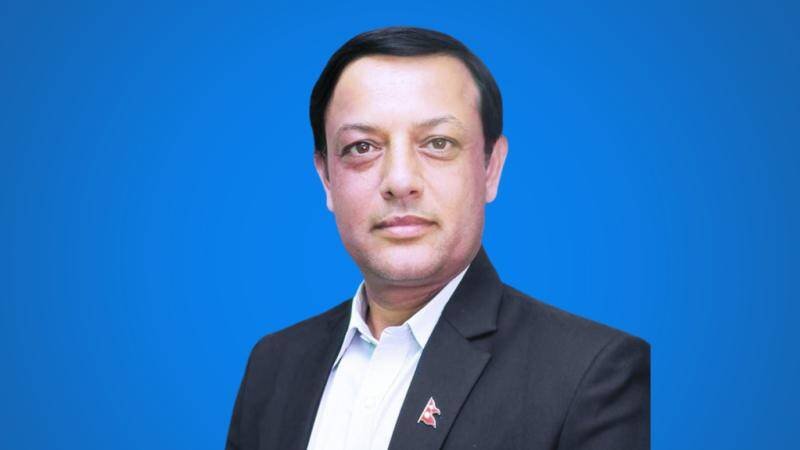



Dol Prasad (DP) Aryal of the Rastriya Swatantra Party elected Speaker of the House of Representatives unopposed in Nepal. Understand the implications and future outlook.
In a significant development in Nepali politics, Dol Prasad (DP) Aryal, representing the Rastriya Swatantra Party (RSP), has been elected Speaker of the House of Representatives (HoR) unopposed. This news, initially reported by Peoples' Review, marks a pivotal moment in the nation's parliamentary proceedings and signals potential shifts in the political landscape.
The fact that Aryal's election was unopposed suggests a degree of consensus, or at least a lack of significant opposition, among the various political parties within the HoR. This contrasts with often contentious political climates and could pave the way for smoother legislative functioning, at least initially.
The Speaker of the House holds a crucial position. They are responsible for maintaining order in the House, moderating debates, and ensuring that parliamentary procedures are followed. The Speaker's impartiality and ability to navigate complex political dynamics are essential for effective governance. Aryal's election, therefore, has far-reaching implications for the legislative agenda and the overall stability of the Nepali government.
A Speaker from the Rastriya Swatantra Party, a relatively new political force, also signals a shift in power dynamics. It reflects the growing influence of newer parties and a potential change in the traditional dominance of established political players.
In our opinion, Aryal's unopposed election is a positive sign for political stability. It suggests a willingness among different parties to cooperate, at least in the selection of key leadership positions. However, it remains to be seen whether this spirit of cooperation will extend to more contentious policy debates.
Aryal's background and political affiliations within the RSP will undoubtedly shape his approach to the role. The RSP, known for its reformist agenda and focus on good governance, may bring a fresh perspective to parliamentary proceedings. This could lead to increased scrutiny of government actions and a greater emphasis on accountability.
This could impact the speed and efficiency of legislation passing through the HoR. With a new Speaker from a different party, established processes and power dynamics could be challenged and renegotiated. How Aryal manages these challenges will be crucial to his success as Speaker.
The coming months will be critical in assessing the impact of Aryal's election. Several key areas will be worth watching:
Aryal faces numerous challenges. He will need to navigate the complex relationships between different political parties, maintain order in a often-turbulent House, and ensure that all members are treated fairly. His success will depend on his ability to build trust and forge consensus across the political spectrum.
On the other hand, Aryal's leadership could bring several benefits. His reformist background could lead to greater transparency and accountability in government. His ability to build bridges between different parties could foster greater cooperation and stability. And his focus on good governance could lead to more effective policies and better outcomes for the Nepali people.
Ultimately, the success of Aryal's tenure as Speaker will depend on his ability to rise to these challenges and capitalize on these opportunities. Only time will tell how he will shape the future of Nepali politics.
























