Democrats Challenge Trump's Mail-In Voting Limits: What It Means for the 2024 Election
Democrats are suing to challenge restrictions on mail-in voting. Learn about the legal battle, its potential impact on elections, and what the future holds.



Democrats are suing to challenge restrictions on mail-in voting. Learn about the legal battle, its potential impact on elections, and what the future holds.
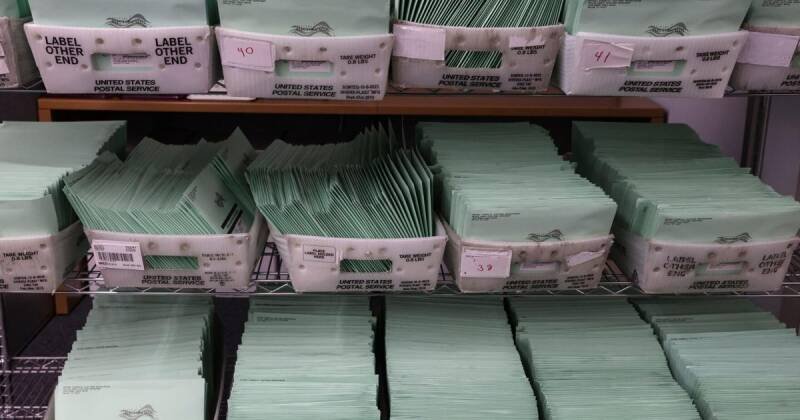
Top Democratic leaders in Congress have launched a legal challenge against former President Donald Trump's efforts to restrict mail-in voting. The lawsuit aims to prevent Trump from implementing policies that would limit mail-in ballots to only those individuals pre-approved and placed on a list compiled by the Department of Homeland Security.
The Democrats are arguing that Trump's proposed restrictions are an attempt to suppress voter turnout, particularly among demographics that tend to favor Democratic candidates. They claim that limiting mail-in voting based on a pre-approved list would create unnecessary barriers and disproportionately impact marginalized communities. The lawsuit alleges that these limitations are unconstitutional and violate voting rights protections.
The move is significant because mail-in voting became increasingly popular during the 2020 election due to the COVID-19 pandemic. Many states expanded access to mail-in ballots to ensure safe and accessible voting options for all citizens. Attempts to restrict these options are viewed by Democrats as a direct attack on democratic principles.
This legal battle has far-reaching implications for the integrity and accessibility of future elections. The outcome will determine the extent to which states can implement or restrict mail-in voting, directly impacting voter participation rates. It also touches on the broader debate about election security and voter fraud, topics that have been heavily politicized in recent years.
Ultimately, this lawsuit is a fight for fair and accessible elections. It underscores the deep divisions in American politics over voting rights and the role of the federal government in overseeing elections. If successful, the Democratic challenge could establish important legal precedents that safeguard mail-in voting options for future elections.
In our opinion, this lawsuit highlights the ongoing tension between ensuring election security and maximizing voter participation. While concerns about voter fraud are legitimate, we believe that restricting access to mail-in voting based on a pre-approved list is an overly broad and potentially discriminatory approach.
This could impact the upcoming elections by creating confusion and uncertainty among voters. Depending on the timing of the court's decision, election officials may be forced to scramble to implement new procedures, potentially leading to errors and delays. The political fallout from this legal battle could also further polarize the electorate and erode trust in the electoral process.
We believe that a more balanced approach is needed, one that addresses legitimate security concerns without disenfranchising eligible voters. This could involve strengthening voter identification requirements, improving ballot tracking systems, and investing in election security infrastructure.
The future of mail-in voting hangs in the balance as this lawsuit progresses through the courts. Several possible outcomes could emerge:
Regardless of the outcome, this legal battle is likely to have a significant impact on the 2024 election and beyond. It will shape the landscape of voting rights and determine the extent to which mail-in voting remains a viable option for American voters. We will continue to monitor this case closely and provide updates as it unfolds.
The focus will likely shift to individual state laws, with various states either expanding or restricting mail-in voting options based on their political leanings and legal interpretations. This could lead to a patchwork of different voting rules across the country, creating further confusion and challenges for voters.