Conservative MP Defects to Liberals: What It Means for Canadian Politics
A Conservative MP has defected to the Liberal party, shaking up the Canadian political landscape. We analyze the implications, potential impact, and future outlook.



A Conservative MP has defected to the Liberal party, shaking up the Canadian political landscape. We analyze the implications, potential impact, and future outlook.
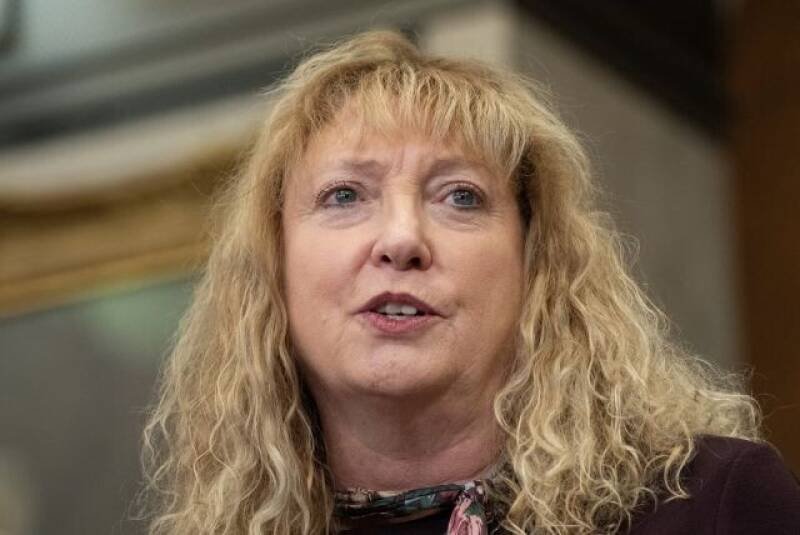
In a surprising turn of events, Ontario Member of Parliament Marilyn Gladu has left the Conservative caucus to join the Liberal Party. This defection marks the fourth time a Conservative MP has crossed the floor to the Liberals since November, further intensifying the scrutiny on Conservative leader Pierre Poilievre and potentially shifting the balance of power in Parliament.
Marilyn Gladu, previously representing the riding of Sarnia—Lambton, cited disagreements with the current direction of the Conservative Party under Pierre Poilievre as her primary reason for switching allegiances. While Gladu has not released specific details of her disagreements, the defection raises questions about internal divisions within the Conservative ranks and Poilievre's leadership style.
The Liberal Party, led by Prime Minister Mark Carney, welcomes Gladu's move, bringing them one step closer to securing a majority government. Although a single defection might not trigger an immediate election, it amplifies the pressure on the opposition and signals potential instability.
This defection isn't just a headline; it's a symptom of deeper political undercurrents. It reflects potential dissatisfaction within the Conservative Party, the shifting dynamics of Canadian politics, and the ongoing battle for public support between the major parties. Each defection adds momentum and shapes the narrative leading up to the next federal election.
In our opinion, Gladu's defection is more than just a single MP changing teams. It's a significant blow to Pierre Poilievre's leadership. It fuels the narrative that he is alienating moderate voices within the party. The question now becomes: can Poilievre address these internal concerns and unite his party, or will more defections follow?
Furthermore, this move strengthens the Liberal's position, albeit incrementally. While not guaranteeing a majority, it gives them more leverage in parliamentary debates and increases their chances of passing legislation. We believe this could impact the government's ability to implement its agenda more effectively.
The coming months will be crucial. Here are some potential scenarios:
This situation undeniably puts pressure on Pierre Poilievre. He must address the concerns that led to Gladu's defection and demonstrate his ability to lead a diverse caucus. Failure to do so could further erode his support and create more opportunities for the Liberals.
Ultimately, these political maneuvers affect Canadians. A stable government is essential for addressing key issues like the economy, healthcare, and climate change. The ongoing political instability could distract from these crucial priorities.
It will be interesting to see how these events unfold and how they ultimately shape the future of Canadian politics. Only time will tell the full extent of the impact of this defection.