Congressman McGovern Visits Burlington ICE Facility: What It Means
Congressman Jim McGovern visits the Burlington ICE facility, raising questions about detention conditions. Read our analysis and the future outlook.
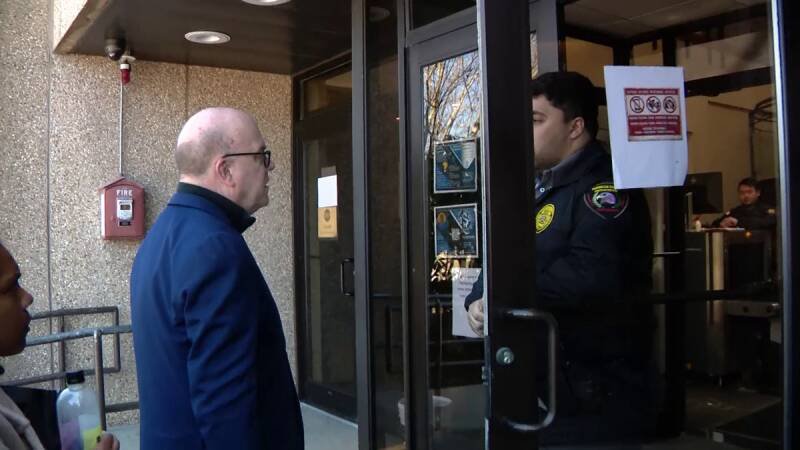



Congressman Jim McGovern visits the Burlington ICE facility, raising questions about detention conditions. Read our analysis and the future outlook.
Congressman Jim McGovern recently conducted a visit to the Immigration and Customs Enforcement (ICE) facility in Burlington. The visit has sparked renewed discussion regarding the conditions within ICE detention centers and the treatment of detainees. Reports from the visit are emerging, providing a glimpse into the realities of life inside the facility.
According to reports, Congressman McGovern characterized a specific area within the facility as "a jail cell." While the exact details of what he observed are still unfolding, this description raises serious concerns about the environment in which detainees are being held. The term "jail cell" often implies a restrictive and potentially punitive environment, which could be detrimental to the well-being of individuals held there.
It's important to note that ICE detention facilities are intended to house individuals awaiting immigration hearings or deportation. While some detainees may have criminal records, others are asylum seekers or individuals with no prior offenses. Therefore, the conditions within these facilities should reflect the fact that many detainees are not convicted criminals.
This visit and the subsequent report matter because they bring renewed scrutiny to the often opaque world of immigration detention. The conditions within these facilities are a matter of public concern, especially given the vulnerability of the individuals being held. Transparency and oversight are crucial to ensuring that detainees are treated humanely and with respect for their rights.
Furthermore, this event underscores the ongoing debate surrounding immigration policy in the United States. Concerns about detention conditions are often intertwined with broader discussions about border security, asylum procedures, and the treatment of immigrants within the legal system.
In our opinion, Congressman McGovern's visit highlights the need for increased transparency and accountability within the ICE detention system. The characterization of an area as "a jail cell" suggests that there may be issues with overcrowding, inadequate facilities, or a punitive approach to detention. It is essential that these concerns are thoroughly investigated and addressed.
This could impact future policy decisions regarding immigration detention. Congress may be more likely to allocate resources for oversight and improvements to detention facilities if concerns about conditions persist. Additionally, the public outcry generated by such reports could influence political discourse and shape the debate surrounding immigration reform.
ICE detention is a complex issue with a long history in the United States. The number of individuals held in ICE custody fluctuates based on immigration enforcement priorities and border activity. These facilities are often operated by private companies under contract with the federal government.
The future of ICE detention is uncertain, but several factors are likely to shape its evolution. The Biden administration has signaled a more humane approach to immigration enforcement, which could lead to changes in detention policies and practices. Legal challenges and advocacy efforts by human rights organizations are also likely to play a significant role in shaping the future of ICE detention.
We anticipate continued scrutiny of detention conditions and increased pressure on Congress and the executive branch to implement reforms. This could involve reducing the reliance on detention, improving facility standards, and providing greater access to legal counsel for detainees. Ultimately, the goal should be to create a more humane and just immigration system that respects the rights and dignity of all individuals.
In our opinion, the long-term solution involves addressing the root causes of migration and creating a more welcoming and inclusive society for immigrants. This requires comprehensive immigration reform that provides a pathway to citizenship for undocumented individuals, invests in border security and infrastructure, and addresses the economic and social factors that drive migration. Only then can we truly create a system that is both fair and effective.