China Airlines Cargo Plane Emergency Landing: What It Means
A China Airlines cargo plane diverted to Whitehorse due to a smoke alert. Learn about the incident, its potential causes, and what it means for the airline and the industry.
China Airlines Cargo Plane Diverts to Whitehorse After Smoke Alert
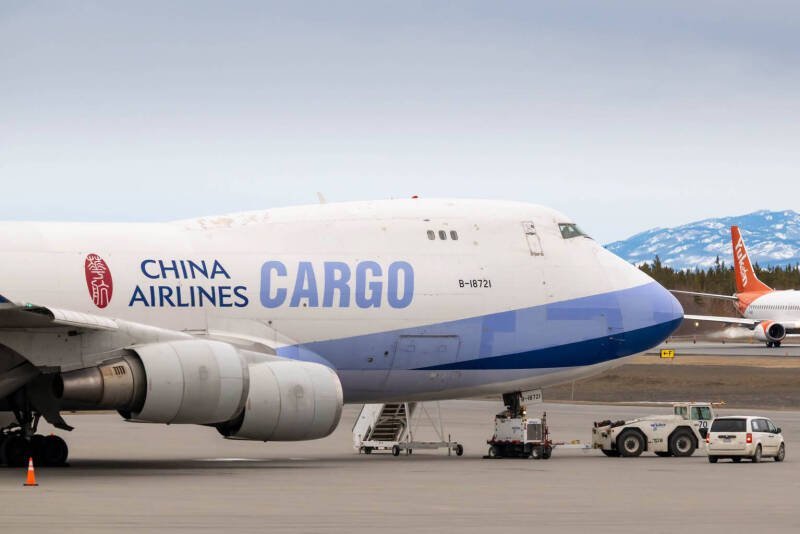
A China Airlines cargo plane made an unscheduled landing in Whitehorse, Yukon, Canada, after a smoke indicator triggered an alert in the cockpit. The incident, thankfully, resulted in no injuries to the crew. Let's break down what we know.
The Incident
The China Airlines cargo jet was en route to its intended destination when the crew received a warning of potential smoke onboard. Following standard operating procedures, the pilots made the decision to divert to the nearest suitable airport, which was Whitehorse International Airport (YXY). The aircraft landed safely without further incident. Emergency services were on standby as a precautionary measure, but their assistance was ultimately not needed.
What Happens After a Smoke Alert?
When a smoke alert activates on an aircraft, it triggers a series of protocols. The pilots immediately assess the situation, attempting to identify the source of the potential smoke. This can involve checking various systems and consulting with the flight engineer (if one is present). The primary concern is always the safety of the crew and the aircraft. Diverting to the nearest suitable airport is a common practice, allowing for a thorough inspection and resolution of the problem on the ground.
Why This News Matters
This incident, while seemingly minor because no one was hurt, underscores the importance of stringent safety protocols in the aviation industry. Any potential hazard, such as a smoke alert, is treated with utmost seriousness. It also demonstrates the effectiveness of pilot training and the resilience of the air cargo network. Even with unexpected disruptions, the system is designed to prioritize safety and minimize impact on overall operations. This event also puts a spotlight on Whitehorse International Airport as a crucial alternate landing site for trans-Pacific flights.
Our Analysis
In our opinion, several factors could have triggered the smoke alert. These range from a malfunction in the aircraft's electrical system to a potential issue with the cargo itself. Without a detailed investigation, it's impossible to pinpoint the exact cause.
It's important to note that modern aircraft are equipped with sophisticated detection systems designed to identify even trace amounts of smoke. Therefore, even a false alarm warrants a thorough investigation. The fact that the crew diverted the flight suggests that they took the alert very seriously, as they should.
Potential Causes
* **Electrical Malfunction:** Faulty wiring or equipment can sometimes produce smoke.
* **Cargo Issue:** Though likely screened, certain goods could release fumes under pressure or temperature changes.
* **Engine Malfunction:** Rarely, engine issues can result in smoke entering the cabin through the ventilation system.
* **False Alarm:** While less likely, a sensor malfunction can trigger a false alarm.
Future Outlook
The next steps will involve a comprehensive inspection of the aircraft by maintenance personnel. The investigation will likely involve examining the aircraft's systems, the cargo manifest, and any available flight data recorders. The results of this investigation will not only help determine the cause of the smoke alert but also inform future safety procedures and preventative maintenance schedules.
This incident could impact China Airlines' operations temporarily, as the aircraft will be grounded until cleared for flight. This could lead to minor delays in cargo shipments. However, given the airline's size and resources, these delays are likely to be minimal.
Impact on Air Cargo Industry
While this particular incident appears to be isolated, it serves as a reminder of the potential risks involved in air cargo transportation. Airlines are constantly working to improve safety measures and ensure the integrity of the supply chain. This event reinforces the need for continuous vigilance and investment in safety technologies. In our opinion, incidents like these ultimately contribute to a safer and more reliable air cargo industry in the long run. We expect a full and transparent investigation into this incident.