Child-Headed Households Impact School Attendance in Kavango West, Namibia
Kavango West school struggles with absenteeism due to child-headed households. Learn about the challenges, impacts, and potential solutions in Namibia.



Kavango West school struggles with absenteeism due to child-headed households. Learn about the challenges, impacts, and potential solutions in Namibia.
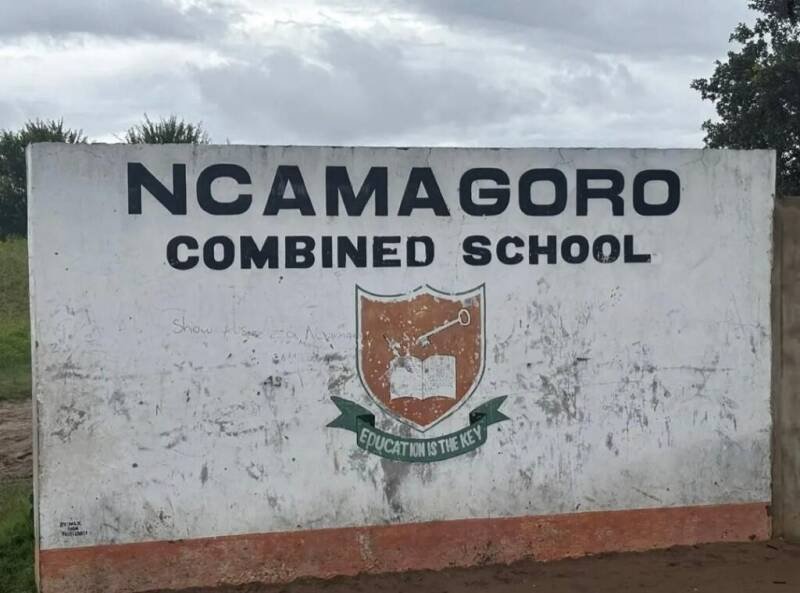
Ncamagoro Combined School in the Kavango West region of Namibia faces a serious problem: many students aren't attending classes regularly. The school's principal, Mukuve Sikongo, has identified a significant contributing factor: the rising number of child-headed households in the area.
Essentially, more and more children are living without adult guardians, forced to manage their homes and families on their own. This situation presents immense challenges that directly impact their ability to attend school and focus on their education.
Principal Sikongo's interview with Nampa, a Namibian news agency, highlights a community struggling between the urgent need for survival and the long-term benefits of education. When children are responsible for finding food, caring for younger siblings, and maintaining a household, attending school often becomes a secondary concern.
Imagine being a 14-year-old responsible for feeding your siblings. Would you prioritize studying for a math test or finding food for the day? These are the difficult choices facing many children in Kavango West.
This story highlights a critical social issue with far-reaching consequences. The lack of education perpetuates the cycle of poverty. If children from child-headed households are unable to complete their education, their opportunities for future employment and economic advancement are severely limited. This situation not only affects the individuals involved but also the entire community's development.
Furthermore, this situation potentially indicates a broader systemic issue. It raises questions about social welfare support, access to resources for vulnerable families, and the availability of adult guardianship for orphaned or abandoned children in the region.
In our opinion, the situation at Ncamagoro Combined School is a symptom of deeper societal challenges. Factors such as poverty, HIV/AIDS, and lack of access to social services likely contribute to the increasing number of child-headed households.
The school's efforts to address absenteeism and indiscipline are commendable, but they require a multi-faceted approach. Simply addressing the symptoms of the problem, like punishing truancy, won't solve the root causes. Effective solutions need to address the underlying social and economic factors that force children into these difficult situations.
This could impact Namibia's overall development goals. A well-educated population is crucial for economic growth and social progress. If a significant portion of the population is deprived of education due to circumstances like child-headed households, it could hinder the country's progress.
The future outlook depends on the actions taken by the Namibian government, local communities, and international organizations. A comprehensive strategy is needed that includes:
If these steps are taken, there is hope for breaking the cycle of poverty and improving the lives of children in Kavango West. Without intervention, the problem is likely to worsen, leading to further social and economic instability. Monitoring the situation and tracking the effectiveness of intervention programs will be crucial to ensure that resources are used effectively and that real progress is being made.
It is also important to note the need for more research and data collection on child-headed households in Namibia. A better understanding of the scope and underlying causes of the problem will enable policymakers and organizations to develop more targeted and effective solutions.