Chicago Shootings Rise Slightly in 2026: Understanding the Trend
Chicago experiences a slight increase in shootings in early 2026 after years of decline. Explore the potential reasons, impacts, and future outlook.
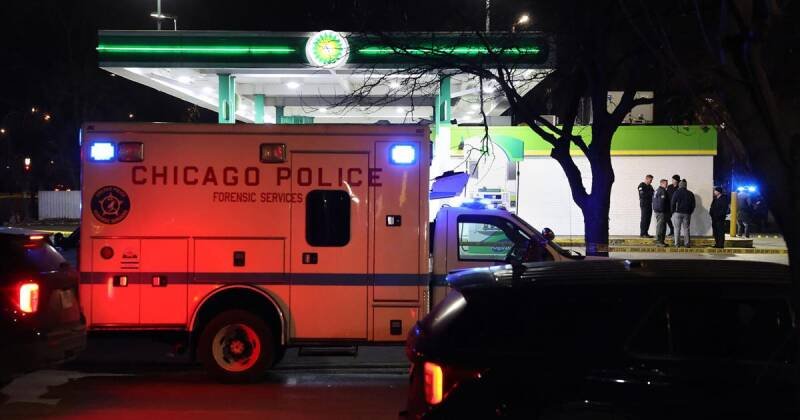



Chicago experiences a slight increase in shootings in early 2026 after years of decline. Explore the potential reasons, impacts, and future outlook.
After a prolonged period of encouraging decline, gun violence in Chicago has seen a slight uptick in the first quarter of 2026. This comes after four consecutive years of significant reductions in shooting incidents, raising concerns among residents and city officials alike.
According to recent reports, Chicago recorded 105 murders through the first week of April 2026. While still a concerning number, it represents a small increase compared to the 98 killings recorded during the same period in the previous year.
While any increase in violence is a cause for concern, it's crucial to view these numbers in context. The overall trend over the past four years has been a positive one, with significant reductions in shootings and homicides. This slight increase doesn't necessarily indicate a reversal of that trend, but it does warrant careful monitoring and analysis.
Factors contributing to the previous decline may include increased community policing initiatives, focused deterrence strategies, and investments in violence prevention programs. However, the complex nature of gun violence means that many other elements could also play a role, such as economic conditions, social unrest, and access to illegal firearms.
The rise in shootings, however small, underscores the fragility of progress in addressing gun violence. It reminds us that sustained efforts are needed to maintain the positive momentum achieved in recent years. This news matters because:
In our opinion, this slight increase in shootings should serve as a wake-up call, not a cause for panic. It’s essential to conduct a thorough investigation to identify the root causes of this uptick and develop targeted interventions to address them.
Several factors could be at play. Perhaps the effectiveness of previous interventions has waned, or maybe new challenges have emerged. Increased gang activity, economic hardship in certain neighborhoods, or changes in law enforcement strategies could all be contributing factors. Without a deep understanding of the underlying dynamics, it will be difficult to implement effective solutions.
The future trajectory of gun violence in Chicago remains uncertain. It will depend on a number of factors, including:
This could impact long-term trends in gun violence and public safety. Only time will tell if this is an anomaly or the beginning of a troubling trend. Vigilance, data-driven strategies, and strong community partnerships will be essential for ensuring the safety and well-being of Chicago residents.
We believe that ongoing investment in evidence-based violence prevention programs, coupled with strong community engagement, offers the most promising path towards long-term reductions in gun violence in Chicago.
























