Cherry Blossoms Bloom: A Wake-Up Call for Climate Action
The early cherry blossom bloom in Washington D.C. highlights the impact of climate change and the urgent need to protect our environment. Learn why this matters and what the future holds.



The early cherry blossom bloom in Washington D.C. highlights the impact of climate change and the urgent need to protect our environment. Learn why this matters and what the future holds.
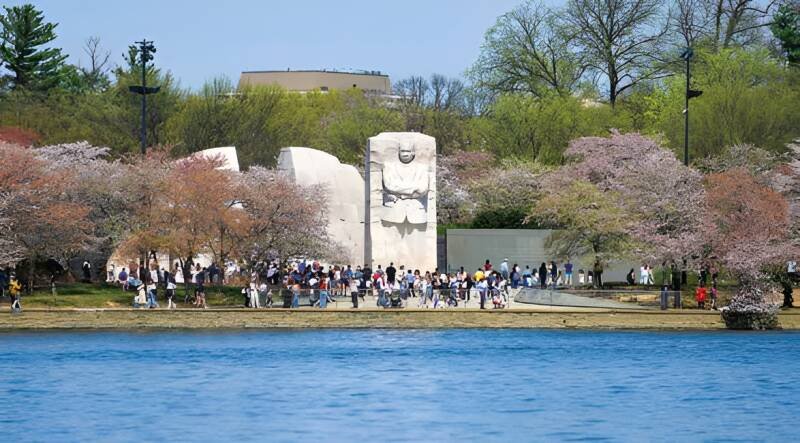
The iconic cherry blossoms surrounding the Tidal Basin in Washington D.C. have reached their peak bloom. While this annual event is a beautiful spectacle, it's also a stark reminder of the challenges our planet faces due to climate change.
This year, the blossoms arrived earlier than historically expected. Changing weather patterns, influenced by global warming, are causing these trees to bloom earlier and more sporadically. The National Park Service, which meticulously tracks the bloom cycle, has noted this trend for several years. The unpredictable nature of these blooms makes planning visits more challenging and underscores the fragility of our natural world.
The early cherry blossom bloom isn't just a minor inconvenience for tourists. It's a visual representation of a much larger problem: the accelerating effects of climate change. These changes impact ecosystems, agriculture, and even the availability of natural resources. By observing these shifts, we can better understand the urgent need for action to mitigate climate change and protect our planet for future generations.
Think about it this way: the cherry blossoms are like an alarm bell. Their early bloom is a sign that things are changing faster than we might realize. Ignoring this alarm could lead to more severe consequences down the line.
In our opinion, the cherry blossom bloom is a perfect example of how climate change is manifesting in real-time. It's not just about warmer temperatures; it's about the disruption of natural cycles that have existed for centuries. The fact that the bloom is becoming less predictable adds another layer of complexity, potentially impacting tourism and the local economy that relies on it. This could also impact the health of the cherry trees themselves, as they become more vulnerable to pests and diseases due to the altered climate.
The beauty of the cherry blossoms often distracts from the seriousness of the changes. We must use this as an opportunity to educate and encourage people to take responsibility for their role in environmental sustainability.
Looking ahead, the future of the cherry blossoms is uncertain. If global warming continues at its current rate, we can expect more erratic bloom cycles, and potentially even the decline of the trees themselves. However, the outlook isn't entirely bleak. There's still time to take action to reduce greenhouse gas emissions and slow the rate of climate change. This includes:
It's also important to invest in research to understand how climate change is affecting different ecosystems and to develop strategies for adapting to these changes. In the case of the cherry blossoms, this might involve identifying more resilient varieties or implementing measures to protect the trees from extreme weather events. Protecting our ecosystems, including the iconic cherry blossoms, requires a coordinated global effort. The early bloom serves as a powerful reminder of what's at stake and the importance of taking action before it's too late. We believe it is imperative that all parties take immediate steps towards a sustainable future, and these trees are an important reminder.
Let's use the beauty of the cherry blossoms as motivation to protect the "Earth" for generations to come.