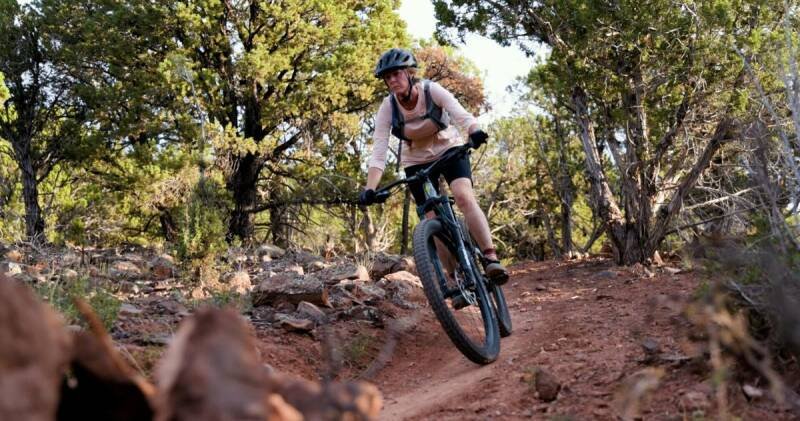
Cedar City Named International Mountain Biking Trail Town: What It Means
Cedar City, Utah, earns prestigious International Mountain Bicycling Association Trail Town designation. Learn why this matters, the economic impact, and the future of mountain biking in the region.
Cedar City Earns Prestigious "Trail Town" Designation
Cedar City, Utah, has just received a significant honor: it's been named a 2026 International Mountain Bicycling Association (IMBA) Trail Town. This designation isn't just a pat on the back; it signifies that Cedar City has demonstrated an exceptional commitment to creating, maintaining, and celebrating its network of trails.
This recognition comes directly from IMBA, a globally recognized authority in mountain biking advocacy and trail development. Being a "Trail Town" means Cedar City is recognized as a community that embraces mountain biking as a key part of its identity and economy.
What Does it Mean to Be an IMBA Trail Town?
The IMBA Trail Town designation isn't awarded lightly. It means Cedar City has met rigorous standards, showcasing its dedication to:
- Trail Development: Continuously building and improving a diverse range of trails suitable for various skill levels.
- Trail Maintenance: Ensuring trails are well-maintained, safe, and sustainable for years to come.
- Community Engagement: Actively involving local residents, businesses, and organizations in trail-related initiatives.
- Promotion of Mountain Biking: Actively marketing Cedar City as a mountain biking destination, attracting visitors and boosting the local economy.
Why This News Matters
This designation is a major win for Cedar City and the surrounding region. It’s more than just bragging rights; it's an economic driver. A Trail Town designation signifies a commitment to outdoor recreation, which, in turn, attracts tourists, businesses, and residents who value an active lifestyle.
This increased tourism could lead to:
- Increased revenue for local businesses (restaurants, hotels, bike shops).
- Job creation in the outdoor recreation sector.
- Enhanced community pride and quality of life.
Furthermore, it validates the hard work of local trail builders, volunteers, and community leaders who have invested time and resources into developing Cedar City's trail network.
Our Analysis
In our opinion, this designation is well-deserved. Cedar City has long been recognized as a haven for outdoor enthusiasts, and its commitment to mountain biking is clear. The local trails offer something for everyone, from beginner-friendly routes to challenging technical sections.
However, this designation also comes with responsibility. Cedar City must continue to invest in trail maintenance, expand its trail network, and promote sustainable riding practices. It's crucial to balance economic growth with environmental protection to ensure the long-term viability of the trails.
This could impact other Southern Utah towns as well. Neighboring communities may see Cedar City's success and be inspired to invest more in their own outdoor recreation infrastructure. This could lead to a regional boom in outdoor tourism and economic development.
Future Outlook
The future looks bright for mountain biking in Cedar City. With the IMBA Trail Town designation, the city is poised to attract even more visitors and investment. We expect to see:
- Increased trail usage and popularity.
- The development of new trails and facilities.
- Greater collaboration between local stakeholders and IMBA.
- Increased property values as Cedar City is seen as a desirable location.
It's important to note that the IMBA designation as a '2026 Trail Town' signifies that Cedar City is ready *now* to meet the demands of increased mountain biking traffic. It acknowledges current excellent trail conditions but serves as a motivator to continue to improve and expand its trail networks.
Cedar City's recognition as an IMBA Trail Town is a testament to its dedication to mountain biking and outdoor recreation. This designation is not just an award; it's an investment in the future, promising a stronger economy, a healthier community, and a more vibrant outdoor culture.