Cebu Heatwave Alert: What to Expect This Easter Sunday
Cebu is bracing for a scorching Easter Sunday with a potential heat index of 36°C. Learn how to stay safe and understand the implications of rising temperatures.
Cebu Braces for Scorching Easter Sunday: Heat Index Could Reach 36°C
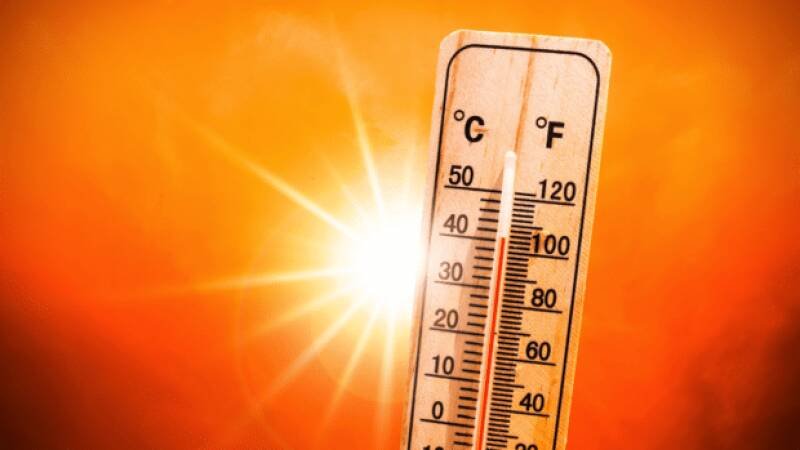
Cebu is preparing for a potentially sweltering Easter Sunday. The Philippine Atmospheric, Geophysical and Astronomical Services Administration (Pagasa) has issued a warning, forecasting a heat index that could climb as high as 36 degrees Celsius on April 5th. This forecast prompts important questions about public health and how we can best prepare.
What is Heat Index?
The heat index isn't just the air temperature; it's how hot it *feels* when you factor in humidity. High humidity makes it harder for your sweat to evaporate, which is your body's natural cooling mechanism. This makes you feel hotter and increases the risk of heat-related illnesses. A heat index of 36°C falls into the "Caution" zone, meaning prolonged exposure and physical activity can lead to fatigue, heat cramps, and even heat exhaustion.
What Pagasa is Saying
Pagasa is advising residents and tourists alike to take necessary precautions to avoid heat-related illnesses. This includes staying hydrated, avoiding strenuous activities during the hottest part of the day (typically between 10 AM and 4 PM), and seeking shade or air-conditioned environments whenever possible.
Why This News Matters
This isn't just about being uncomfortable. Elevated heat indices pose real health risks, especially for vulnerable populations like children, the elderly, and those with pre-existing medical conditions. Ignoring these warnings could lead to serious health consequences, including heatstroke, a life-threatening condition.
Furthermore, this event serves as another reminder of the increasing frequency and intensity of extreme weather events, potentially linked to global climate change. Understanding these weather patterns and taking preventative measures is becoming increasingly important.
Our Analysis
In our opinion, the Pagasa warning is a crucial piece of information that should be taken seriously. While 36°C might not seem extreme to some, the combined effect of heat and humidity can be significant. The local government should actively disseminate this information and implement public health measures, such as providing readily available drinking water and establishing cooling centers for those who need them.
Beyond the immediate health concerns, this event also highlights the longer-term challenges posed by climate change. Rising temperatures are likely to become more common, necessitating a more proactive approach to climate adaptation and mitigation. This includes investing in green infrastructure, promoting energy efficiency, and educating the public about climate-friendly practices.
Future Outlook
The long-term trend suggests that heatwaves like this are likely to become more frequent and intense in the Philippines and globally. This means that adaptation strategies will become increasingly important. We may see:
- Increased demand for air conditioning, putting a strain on energy grids.
- Changes in agricultural practices to adapt to hotter, drier conditions.
- Greater investment in public health infrastructure to address heat-related illnesses.
- More stringent building codes to promote energy efficiency and natural cooling.
This could impact tourism and local businesses if preventative measures are not taken. The travel industry may need to promote indoor activities during peak heat hours, and local businesses may need to adjust their hours or provide cooling options for their employees and customers.
Ultimately, addressing climate change and adapting to its impacts will require a concerted effort from individuals, communities, and governments. This event in Cebu serves as a wake-up call, reminding us of the urgent need to take action. Staying informed and prepared is crucial for mitigating the risks and building a more resilient future.