California Pistachio Boom: How One Tree and a Candy Changed Everything
Discover how California became the world's pistachio king, the impact of a potential market shift, and what the future holds for pistachio farmers.
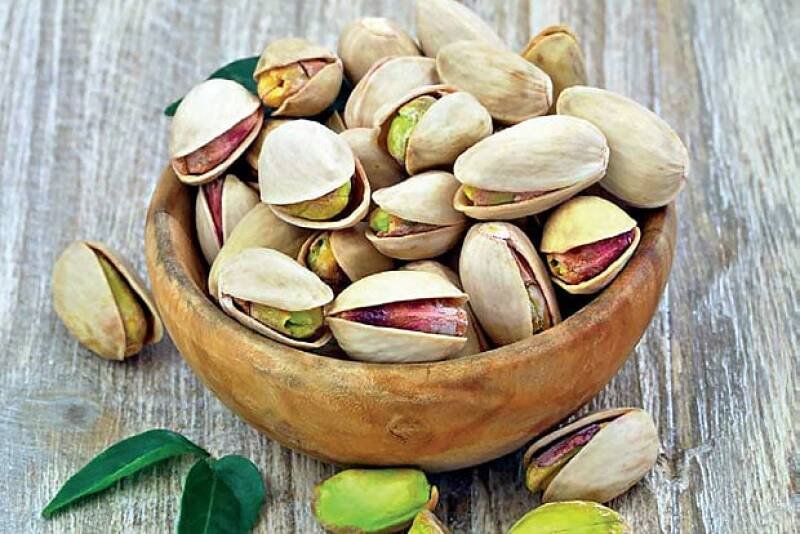



Discover how California became the world's pistachio king, the impact of a potential market shift, and what the future holds for pistachio farmers.
California has quietly become the world's dominant force in pistachio production. This transformation, driven by a single variety of pistachio tree and the surprising influence of a popular candy, has reshaped the global market.
The story begins with a seedling, the 'Kerman' pistachio. This variety, known for its high yields, consistent quality, and ability to thrive in California's climate, became the cornerstone of the state's pistachio industry. It's a testament to the power of careful agricultural selection. Almost all pistachios grown in California are Kerman.
Believe it or not, candy played a crucial role. The influx of pistachios in snack food in the 1970s and 1980s, notably in candy bars, introduced the nut to a wider consumer base. This increased demand fuelled the expansion of pistachio orchards across California's Central Valley.
This rise in popularity, in conjunction with government policies around water access and land availability, created the perfect conditions for rapid growth.
The reason that this news matters, is simple. The impact of a shift in the global market creates a domino effect that ripples throughout the agricultural community. It affects farmers directly through increased profits, consumers through increased prices, and global trade through changing dynamics. The rising prices directly influence income for smaller independent farms. Also, changes in global production impacts sustainability and water usage.
Recent news suggests a potential shift in the global pistachio market. This could be due to factors like changing trade policies, environmental challenges in other pistachio-growing regions, or increased demand from emerging markets.
In our opinion, this potential disruption presents a significant opportunity for California pistachio farmers. If a major player in the global market faces challenges, it will likely lead to higher prices for California pistachios. This increased revenue could allow farmers to invest in improved irrigation techniques, new technologies, and sustainable farming practices.
However, it's not all smooth sailing. Increased demand could also strain resources, particularly water, in California's already drought-prone regions. Farmers will need to adopt efficient irrigation methods and explore alternative water sources to ensure the long-term sustainability of the industry.
The future of the California pistachio industry looks promising, but it's crucial to address potential challenges proactively. Sustainable farming practices, water conservation efforts, and diversification of markets will be key to long-term success.
This could impact consumers through potential price increases. However, it could also encourage the development of more sustainable and environmentally friendly pistachio farming practices.
It's also important to note that this news should be taken with a grain of salt. The pistachio market is complex, and several factors could influence its future trajectory. Continuous monitoring of market trends, trade policies, and environmental conditions will be crucial for navigating this evolving landscape.
Ultimately, the success of the California pistachio industry depends on its ability to adapt, innovate, and embrace sustainable practices to ensure its continued dominance in the global market.