Cadaver Organ Donation Crisis in Madhya Pradesh: Why It Matters
Madhya Pradesh faces a severe shortage of organs for transplant due to low cadaver donation rates. Learn about the causes, impact, and what the future holds.
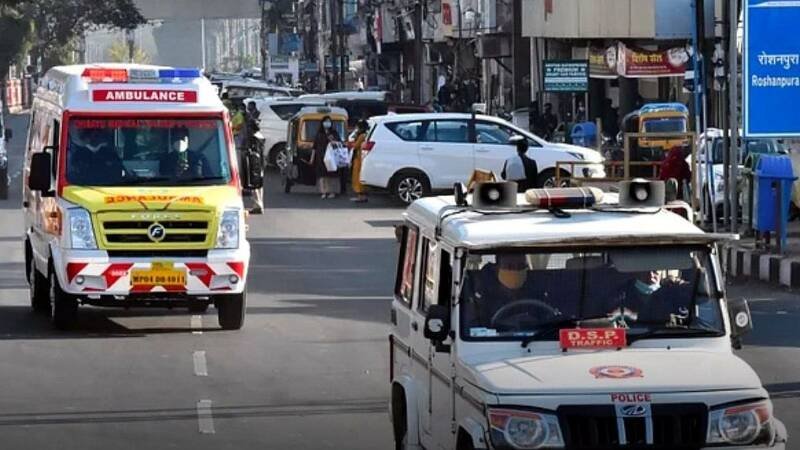



Madhya Pradesh faces a severe shortage of organs for transplant due to low cadaver donation rates. Learn about the causes, impact, and what the future holds.
Madhya Pradesh is facing a critical shortage of organs available for transplant, despite a high number of road accident fatalities that could serve as potential sources for cadaver donations. The state recorded a staggering 14,791 road traffic deaths in 2024 and 13,798 in 2023, highlighting a tragic loss of life. However, the rate of cadaver organ donation remains disappointingly low, exacerbating the suffering of patients awaiting life-saving transplants.
The demand for organs in Madhya Pradesh far outstrips the supply. Many individuals are on waiting lists for kidneys, livers, hearts, and other vital organs. The low rate of cadaver donation means that many of these patients will tragically never receive the transplant they desperately need.
The low rate of cadaver organ donation in Madhya Pradesh isn't just a statistic; it's a matter of life and death. This shortage directly impacts the health and well-being of countless individuals suffering from organ failure. It also speaks to broader issues within the state's healthcare system, including awareness, infrastructure, and public trust. This issue is deeply important because it shows how critical support for organ donation is for a society. Without the ability to donate a person's organs, there is no way to help people who urgently need a transplant.
Several factors contribute to the low cadaver donation rates in Madhya Pradesh:
In our opinion, the low cadaver organ donation rate in Madhya Pradesh is a multifaceted problem that requires a comprehensive solution. Addressing the lack of awareness through public education campaigns is crucial. Furthermore, improving the training of healthcare professionals and providing them with the resources they need to sensitively approach families is essential. Streamlining the organ donation process and investing in infrastructure are also vital steps.
The current situation reveals a significant gap between the potential for organ donation and the reality on the ground. While road accidents are undoubtedly tragic, they also present an opportunity to save lives through organ donation. Failing to capitalize on this opportunity is a grave disservice to those awaiting transplants.
The future of organ donation in Madhya Pradesh hinges on addressing the underlying issues discussed above. Increased awareness campaigns, improved training for medical professionals, and streamlined processes are all essential. Collaboration between the government, hospitals, and non-profit organizations is crucial to drive meaningful change.
This could impact transplant waiting lists, potentially shortening them and improving outcomes for patients in need. Investment in infrastructure will ensure that organs can be retrieved and transported efficiently, maximizing the number of transplants performed. It is likely the government will step in to facilitate the process in the future.
However, without sustained effort and commitment, the organ donation crisis in Madhya Pradesh will likely persist, leading to further suffering and preventable deaths. The time for action is now.