Buying a Classic Car: 5 Questions to Ask Yourself First
Thinking of buying a classic car? Don't jump in without asking yourself these crucial questions! Learn about costs, restoration, and more.
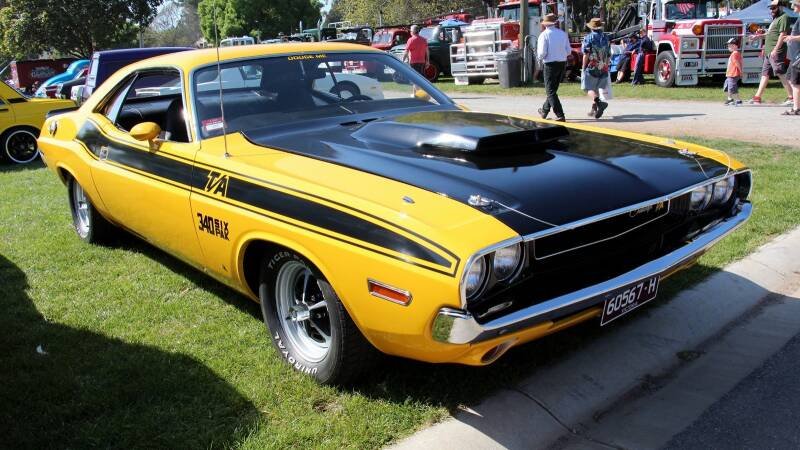



Thinking of buying a classic car? Don't jump in without asking yourself these crucial questions! Learn about costs, restoration, and more.
The allure of a classic car is undeniable. The chrome, the curves, the rumble of the engine – it's a tangible piece of history. But before you get swept away by nostalgia and impulse buy that vintage beauty, take a deep breath and ask yourself some critical questions. Owning a classic car is more than just driving; it’s a commitment.
It's easy to focus on the purchase price, but that's just the tip of the iceberg. Classic cars often require significant upkeep and restoration. Factor in the cost of:
Don't underestimate the total cost of ownership. It's better to be prepared than to find yourself financially strained. In our opinion, setting a generous budget cushion is crucial.
A thorough inspection is essential. Don't rely solely on the seller's description. Look for:
Consider a pre-purchase inspection by a qualified mechanic specializing in classic cars. The cost is a worthwhile investment that can save you thousands in the long run.
Are you a seasoned mechanic with a fully equipped garage, or are you a complete novice? Be honest with yourself about your abilities. Restoration projects can be time-consuming and challenging.
If you plan to outsource most of the work, factor in the cost of labor. If you're tackling the project yourself, be prepared to invest countless hours learning new skills and sourcing parts. Don't underestimate the time commitment involved.
Are you planning to drive it regularly, show it at car shows, or simply store it as an investment? Your intended use will influence the type of car you choose and the level of restoration you pursue. A daily driver will require a more reliable and practical restoration than a show car.
Every classic car model has its own quirks, strengths, and weaknesses. Do your research! Join online forums, connect with other owners, and read up on common problems and solutions. The more you know about the specific model you're interested in, the better prepared you'll be to make an informed decision.
Buying a classic car is a significant investment, both financially and emotionally. By asking yourself these questions upfront, you can avoid potential pitfalls and ensure a more enjoyable and rewarding experience. Neglecting these considerations can lead to buyer's remorse, unexpected expenses, and a restoration project that never gets finished.
The classic car market can be lucrative, but it's also filled with potential traps for the unwary. Many buyers get caught up in the romance of owning a vintage vehicle and fail to adequately assess the practical realities. Due diligence is paramount. A seemingly 'cheap' classic car can quickly become an expensive money pit if its condition is poor or restoration costs are underestimated.
The demand for classic cars continues to rise, especially among younger generations who appreciate their unique style and character. Well-maintained and properly restored classics are likely to appreciate in value over time, making them a potentially sound investment. However, the market is volatile and influenced by factors like economic conditions and changing tastes. Proper research and careful planning are essential for long-term success. This could impact the availability of some classic car models as demand increases.