Bode George Criticizes INEC's Recognition of Wike's PDP Faction: Analysis and Implications
Former PDP leader Bode George slams INEC's decision to recognize Nyesom Wike's faction. This article dives into the controversy, its implications for Nigerian politics, and what the future holds.
Bode George Criticizes INEC's Recognition of Wike's PDP Faction: Analysis and Implications
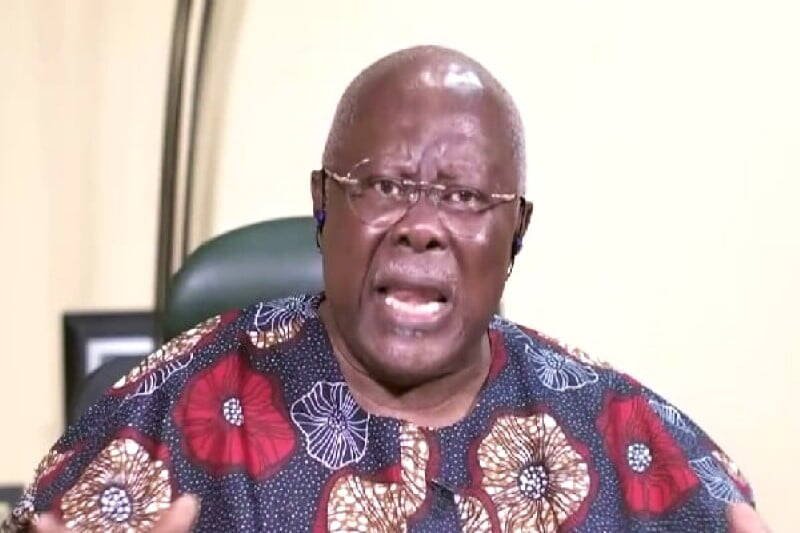
Former Deputy National Chairman of the Peoples Democratic Party (PDP), Chief Olabode George, has voiced strong disapproval of the Independent National Electoral Commission's (INEC) decision to recognize the faction of the PDP led by current FCT Minister, Nyesom Wike. George, a prominent figure within the PDP, didn't mince words, labeling the situation as "the greatest joke of the year."
What Happened?
The core issue revolves around internal divisions within the PDP in Rivers State. Nyesom Wike, a powerful political figure, has maintained significant influence even after assuming his role as the Minister of the Federal Capital Territory. This influence seems to extend to a faction within the PDP, which INEC has now recognized. Bode George, along with other PDP stalwarts, views this recognition as problematic and potentially undermining the party's structure.
Why This News Matters
This seemingly localized issue has broader implications for Nigerian politics. The recognition of a faction within a major political party can set a precedent, potentially encouraging further internal strife and weakening the overall democratic process. This also raises questions about INEC's impartiality and its role in managing political party affairs.
- Party Unity: This division threatens the unity of the PDP, which is a crucial opposition party. A fractured PDP could weaken the checks and balances necessary for a healthy democracy.
- INEC's Role: The decision raises concerns about INEC's neutrality. Is INEC acting impartially, or is it being influenced by external factors?
- Future Elections: The recognition of factions could impact future elections. It could lead to multiple candidates claiming to represent the same party, creating confusion and potentially affecting the outcome of elections.
Our Analysis
In our opinion, Bode George's criticism highlights a deeper issue within the PDP: the struggle for power and influence. Nyesom Wike's continued involvement in Rivers State politics, even while serving as a minister, is a contributing factor. INEC's decision to recognize his faction appears to legitimize this continued influence, potentially undermining the party's official leadership.
This could impact the PDP's ability to effectively challenge the ruling party in future elections. A divided house cannot stand, and the PDP needs to resolve its internal conflicts to present a united front. Furthermore, this situation may fuel calls for reforms within INEC to ensure greater transparency and impartiality in its dealings with political parties.
Key Considerations
- The extent of Wike's influence within the PDP and its impact on the party's decision-making processes.
- The legal basis for INEC's recognition of the Wike faction.
- The reaction of other PDP leaders and members to this development.
Future Outlook
The future of the PDP and its internal dynamics hinges on how the party leadership responds to this challenge. Will they be able to bridge the divide and reconcile with the Wike faction? Or will this division deepen, leading to further fragmentation?
We anticipate legal challenges to INEC's decision. Other aggrieved members of the PDP may seek to overturn the recognition in court. The outcome of these legal battles will significantly shape the political landscape in Rivers State and potentially across Nigeria.
Ultimately, this situation underscores the importance of strong leadership, internal party discipline, and a commitment to democratic principles within political parties. The PDP must address these issues to maintain its relevance and credibility in the Nigerian political arena.