Bhopal Wetland Demolition: Understanding the Future of Bhoj Wetland
Another demolition drive hits Bhopal's Bhoj Wetland buffer zone. Learn why this matters, our analysis, and the future outlook for this vital ecosystem.



Another demolition drive hits Bhopal's Bhoj Wetland buffer zone. Learn why this matters, our analysis, and the future outlook for this vital ecosystem.
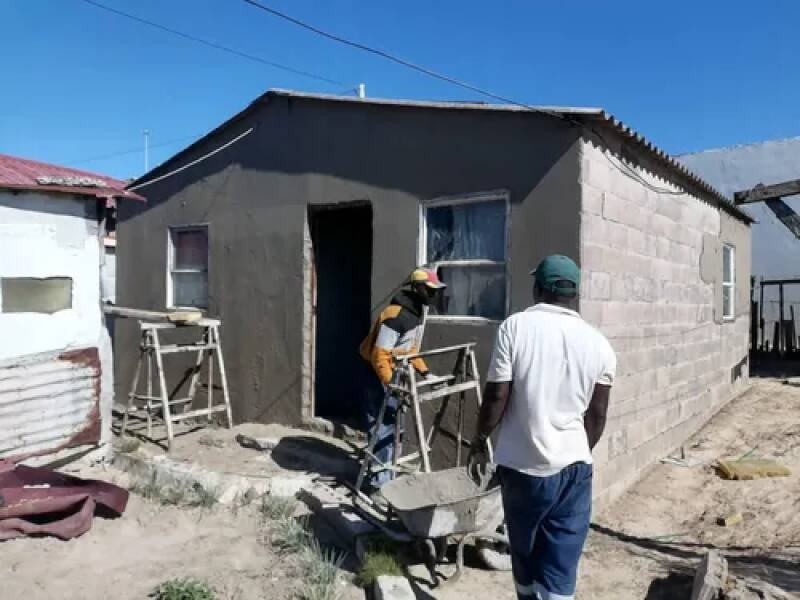
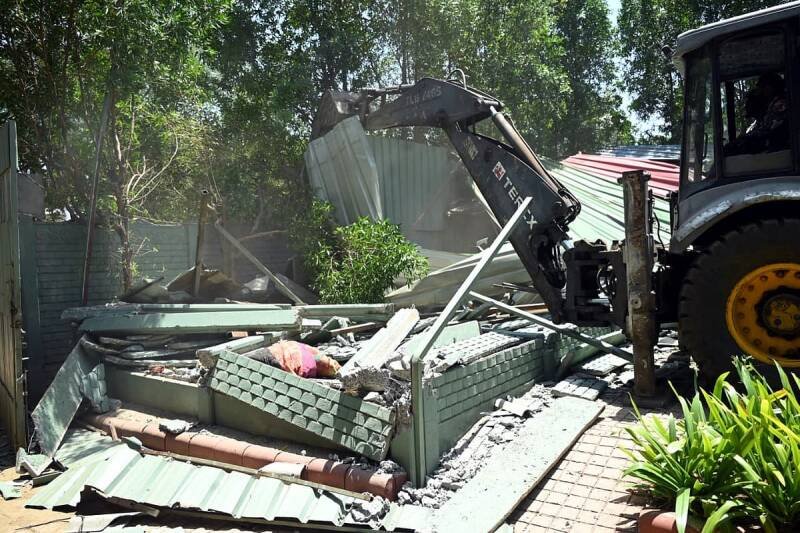
Recent reports detail another demolition drive within the buffer zone of Bhopal's vital Bhoj Wetland. This action, carried out jointly by the Bhopal Municipal Corporation (BMC) and the district administration, targeted unauthorized structures in Halalpura. Boundary walls and sheds were removed, but some encroachers received another extension to vacate the premises.
Officials have stated that 63 permanent structures and 121 hutments have been identified as encroaching upon the restricted zone. These structures are located within the protected buffer zone designed to safeguard the ecological integrity of the Bhoj Wetland. The demolition drive is part of a larger, phased action plan that aims to remove all illegal encroachments. However, the continued granting of grace periods raises questions about the timeline and effectiveness of these efforts.
The Bhoj Wetland is a critical ecosystem for Bhopal and the surrounding region. It provides essential services such as:
Encroachments threaten these vital functions, leading to habitat loss, water pollution, and increased flood risk. The ongoing demolition efforts are crucial for preserving the wetland's ecological integrity and the benefits it provides to the community.
While the demolition drive is a positive step towards protecting the Bhoj Wetland, the repeated granting of grace periods to encroachers is concerning. In our opinion, this delays the process and potentially encourages further encroachment. The authorities need to strike a balance between enforcing environmental regulations and addressing the legitimate concerns of those affected by the demolitions. A more comprehensive approach is needed, including:
This could impact the effectiveness of the overall conservation strategy. The constant delays may embolden others to encroach on the land, further complicating the issue.
The future of the Bhoj Wetland hinges on the effective implementation of the conservation plan. The authorities need to demonstrate a strong commitment to enforcing environmental regulations while addressing the social and economic concerns of the affected population.
In our opinion, the success of the Bhoj Wetland conservation project will depend on a multi-pronged approach that combines strict enforcement, social responsibility, and community participation. Without a holistic strategy, the wetland's future remains uncertain.
The coming months will be crucial in determining whether the Bhoj Wetland can be effectively protected and restored for the benefit of current and future generations.