BC Schools Expansion: Premier Eby Highlights Urgent Need and Future Plans
Premier Eby visits West Kelowna to underscore the critical need for new schools in British Columbia. This article breaks down the announcement, explores its implications, and analyzes the future outlook for education in BC.
BC's School System Under Pressure: Premier Eby Visits West Kelowna
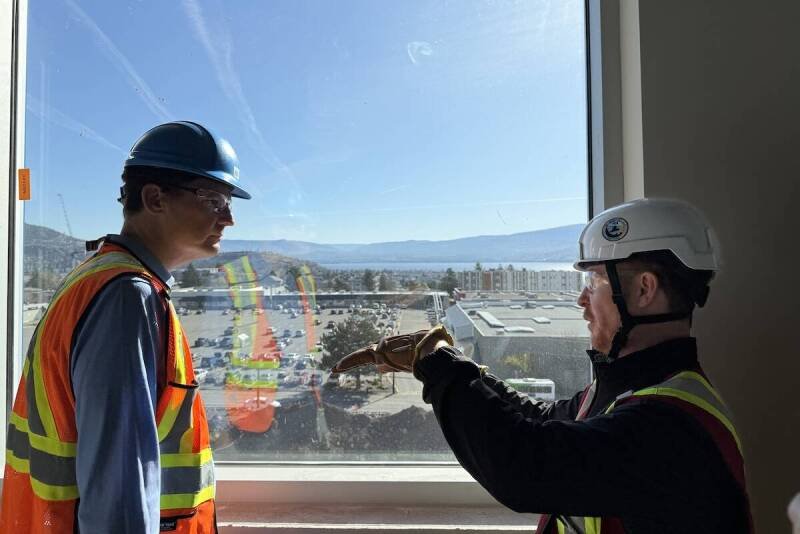
British Columbia's Premier David Eby recently visited West Kelowna, focusing on the pressing need for more schools across the province. During his visit, he toured the future site of the George Pringle Secondary School, highlighting the strain rapid population growth is placing on existing educational infrastructure.
Growing Pains in BC Education
The demand for school spaces in BC is increasing substantially, driven by a growing population and evolving demographics. This puts pressure on existing schools, leading to overcrowded classrooms and potentially impacting the quality of education students receive.
Why This News Matters
This announcement is significant for several reasons:
- Student Impact: Overcrowded schools can negatively affect student-teacher ratios, making it harder for students to receive individualized attention.
- Community Growth: Adequate school infrastructure is crucial for attracting and retaining families, playing a vital role in community development.
- Economic Implications: A well-funded education system is an investment in the future workforce, contributing to long-term economic prosperity.
In our opinion, this visit by Premier Eby signals a growing awareness of the challenges facing BC's education system and a commitment to addressing them.
Our Analysis
While the Premier's visit to West Kelowna is a positive step, the real test will be in the tangible actions that follow. Funding allocations, expedited construction timelines, and innovative solutions to address space constraints will be crucial.
Challenges and Opportunities
One of the key challenges will be balancing the need for rapid expansion with the desire to create high-quality learning environments. This requires careful planning, collaboration between government, educators, and community stakeholders, and a commitment to sustainable construction practices.
However, this situation also presents opportunities. New school construction allows for the implementation of modern learning designs, incorporating technology and flexible learning spaces. It also provides an opportunity to address issues of accessibility and inclusivity, ensuring that all students have access to quality education.
Future Outlook
The future of BC's education system hinges on proactive planning and consistent investment. We anticipate:
- Increased Funding: We expect to see increased funding allocated to school construction and renovation projects in the coming years.
- Innovative Solutions: The government may explore innovative solutions such as modular classrooms and partnerships with private developers to accelerate the construction process.
- Community Engagement: Successful school expansion will require meaningful engagement with local communities to ensure that new schools meet their specific needs.
This could impact future elections. Education is typically a key voter issue. So, we believe this is a move by the Premier to show the BC government is serious about improving education and building for the future.
In conclusion, Premier Eby's visit underscores the urgency of addressing BC's school infrastructure needs. While challenges remain, a commitment to strategic planning, adequate funding, and community engagement will be essential to creating a thriving education system for all students.