BC School Expansion: Why New Schools Matter for Students and Communities
Premier Eby highlights the critical need for new schools in BC, particularly in rapidly growing areas like West Kelowna. Learn why this investment matters for students, communities, and the future of the province.
BC’s Growing Need for Schools: A Closer Look at Premier Eby's West Kelowna Visit
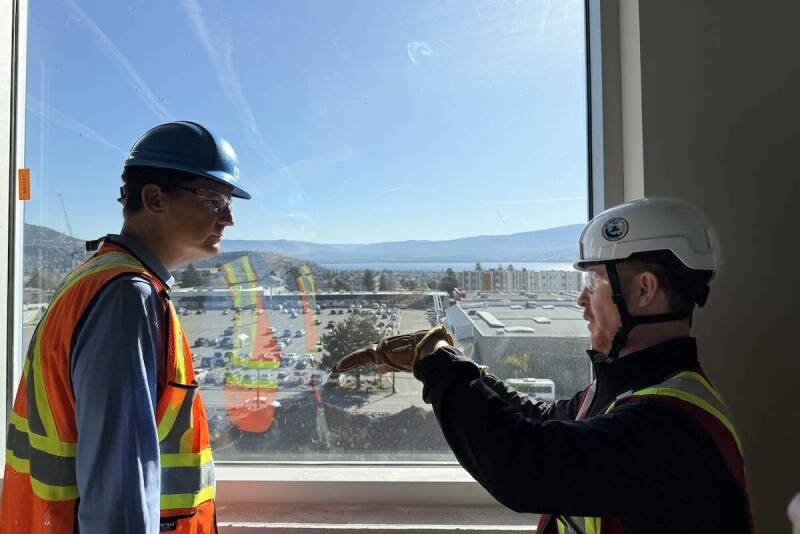
Premier David Eby recently visited West Kelowna, British Columbia, to tour the future site of George Pringle Secondary School. This visit brought into sharp focus the province's growing need for more schools to accommodate a rapidly expanding population. Let's dive into why this is such a crucial issue and what it means for BC's future.
The Demand for Education Infrastructure
British Columbia, particularly areas like the Okanagan Valley, are experiencing significant population growth. This influx of new residents, especially families with children, is putting immense pressure on existing school infrastructure. Overcrowded classrooms, limited resources, and strained teaching staff are becoming increasingly common challenges. The need for new schools, like the revamped George Pringle Secondary, is no longer just a want; it’s a necessity.
The original school, built in 1960, is struggling to serve a student population that has far exceeded its original capacity. Funding to rebuild the school and increase capacity has been welcomed by the community, marking a positive step forward.
Why This News Matters
The availability of adequate school infrastructure is directly linked to the quality of education students receive. Overcrowded classrooms can hinder individualized attention, limiting the learning experience. Moreover, modern schools can provide better facilities for specialized programs, such as science labs, arts studios, and technology centers, preparing students for future success in a rapidly evolving world.
Beyond academics, schools serve as community hubs. They provide spaces for extracurricular activities, community events, and social interactions. Investing in schools is an investment in the overall well-being and development of communities across British Columbia.
Our Analysis
In our opinion, Premier Eby's visit to the George Pringle Secondary site is a clear indication of the government's awareness of the growing need for educational infrastructure. While acknowledging the problem is crucial, the real test lies in the timely allocation of resources and the efficient execution of construction projects.
The rebuild of George Pringle is a critical step to increasing capacity within West Kelowna. However, this single project only scratches the surface. A comprehensive, long-term plan is needed to address the evolving educational needs of the entire province. This plan should include:
- Accurate population projections to anticipate future demand.
- Strategic land acquisition for future school sites.
- Streamlined approval processes to expedite construction.
- Ongoing investment in teacher training and resources.
Potential Challenges and Opportunities
Securing funding for these ambitious projects can be a significant hurdle. However, there are opportunities to explore innovative funding models, such as public-private partnerships, to accelerate the development of new schools. Additionally, embracing sustainable building practices can reduce long-term operating costs and minimize the environmental impact of school construction.
Future Outlook
The future of education in British Columbia hinges on the government's commitment to addressing the growing need for school infrastructure. Failure to do so could lead to a decline in educational quality, hindering the province's ability to attract and retain families. This could impact the overall economy and quality of life in the long run.
The George Pringle Secondary School project serves as a beacon of hope, showcasing the potential for positive change. However, continued vigilance and proactive planning are essential to ensure that all students in BC have access to high-quality education in modern, well-equipped schools. We believe that proactive policies focused on capacity building in education can support BC to maintain it's excellent education standards, and improve communities overall.