Bakersfield Residents Protest Iran Conflict: Why It Matters
Bakersfield residents protest the Iran conflict, urging congressional action. Learn why this local movement has broader implications and potential future impacts.



Bakersfield residents protest the Iran conflict, urging congressional action. Learn why this local movement has broader implications and potential future impacts.
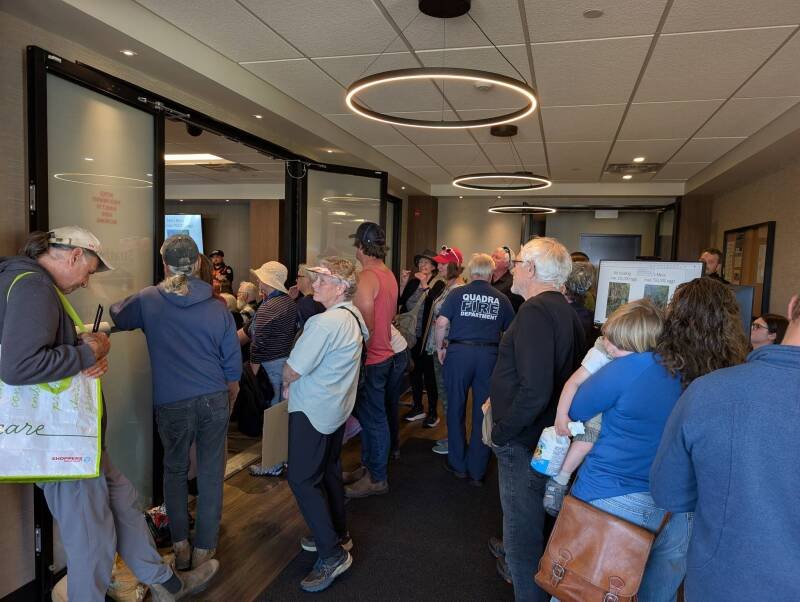
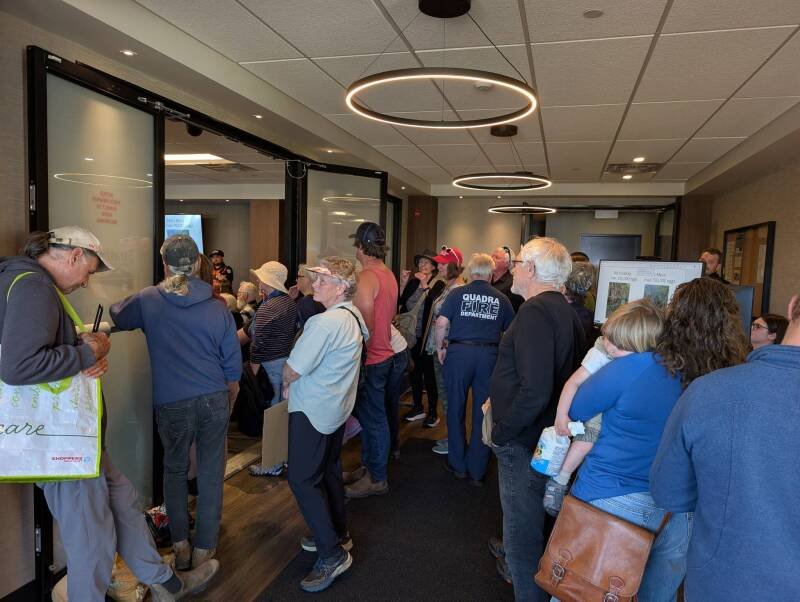
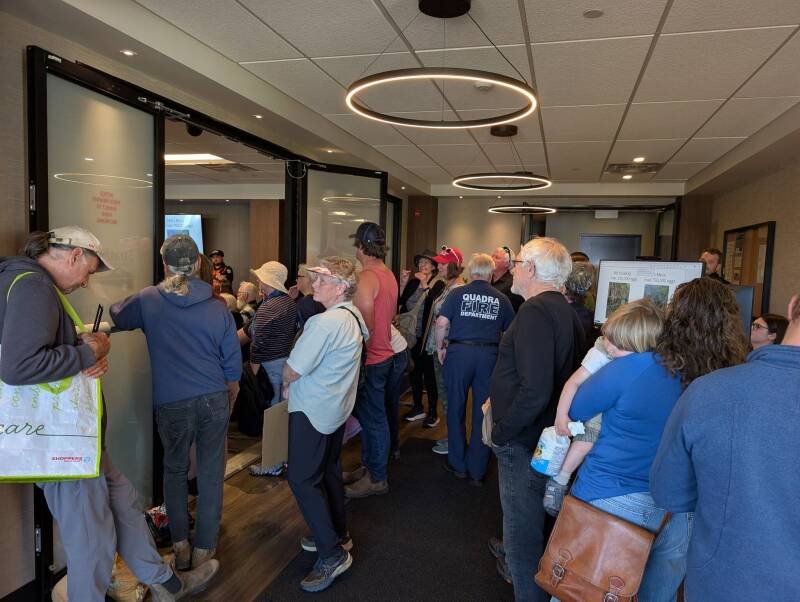
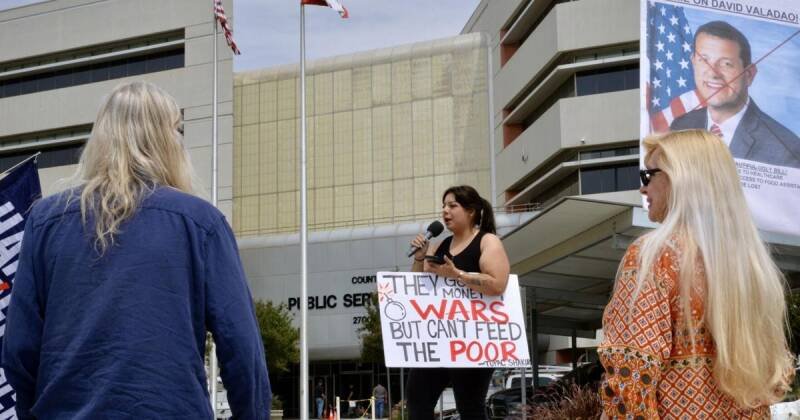
Small groups of Bakersfield residents have been voicing their concerns about the ongoing conflict with Iran, staging protests over the past two days. These demonstrations are focused on urging Kern County's congressional representatives to take a stand against further funding and military involvement in the region.
The protesters are calling for a de-escalation of tensions and a shift towards diplomatic solutions. They believe that continued military action will only exacerbate the situation and lead to further instability in the Middle East.
The protests saw residents gathering at key locations in Bakersfield, holding signs and chanting slogans. The core message was a plea to local representatives to oppose any further Congressional measures that would allocate funding towards military operations in Iran or the surrounding areas. The protests remained peaceful and aimed to raise awareness about the potential consequences of continued conflict.
While seemingly a local issue, the Bakersfield protests highlight a growing national sentiment regarding foreign policy. Even small-scale demonstrations can ripple outwards, influencing public opinion and putting pressure on elected officials. This protest in Bakersfield could be indicative of a broader dissatisfaction with the current approach to US-Iran relations.
Furthermore, Kern County is represented by individuals who hold positions of influence within the government. Increased awareness and pressure on these representatives could lead to tangible policy changes, or at least a more public and transparent discussion about the implications of the conflict. Every voice counts, especially when directed at those who can directly shape policy.
In our opinion, the Bakersfield protests are a significant indicator of public sentiment. While the media often focuses on national-level discourse, these grassroots movements demonstrate the real-world anxieties of everyday Americans. The fact that residents are willing to dedicate their time and energy to protesting suggests a deep-seated concern about the human and economic costs of military intervention.
This could impact how congressional representatives perceive their constituents' priorities. If these protests grow, or if similar movements spring up in other districts, representatives might feel compelled to re-evaluate their positions on the conflict. This is a positive step towards a more democratic approach to foreign policy decision-making.
The future of this movement depends on several factors. Sustained public interest, effective organization, and strategic communication will be crucial for maintaining momentum. The protesters also need to find ways to engage with their congressional representatives directly, presenting their concerns and demanding accountability. A growing chorus of voices could compel representatives to listen and respond accordingly.
There are several possible outcomes:
Ultimately, the Bakersfield protests serve as a reminder that citizens have the power to influence their government and shape the future of their nation. By speaking out and demanding change, they can hold their elected officials accountable and advocate for a more peaceful and just world. It remains to be seen whether this will affect real change, but it is a potent sign that the population are engaged with foreign policy issues and want their voices to be heard.