Azerbaijan Landmine Crisis: Humanitarian Threat and Future Challenges
Azerbaijan faces a growing landmine crisis, posing a significant threat to civilians and hindering reconstruction efforts. Learn about the impact, analysis, and future outlook.
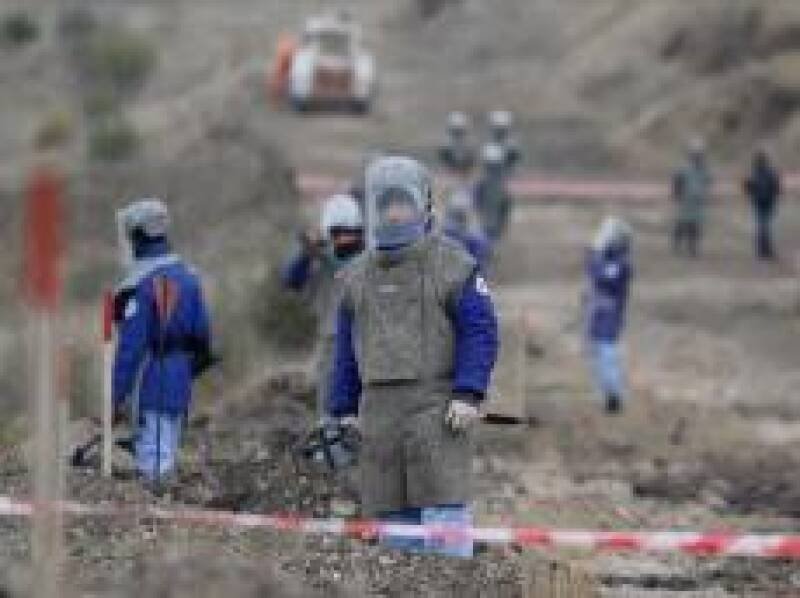



Azerbaijan faces a growing landmine crisis, posing a significant threat to civilians and hindering reconstruction efforts. Learn about the impact, analysis, and future outlook.
Azerbaijan is grappling with a severe landmine problem, creating a humanitarian crisis and hindering reconstruction in areas affected by past conflicts. This lingering threat poses a significant danger to civilians, including farmers, returning displaced persons, and construction workers.
The widespread presence of landmines and unexploded ordnance (UXO) is a legacy of the decades-long conflict in and around the Nagorno-Karabakh region. While precise figures are difficult to obtain, experts believe that vast areas are contaminated, making them unsafe for human activity. This contamination affects not only agricultural land but also critical infrastructure, such as roads, power lines, and water sources.
The most immediate and devastating consequence of landmines is the risk of injury or death to civilians. Accidents involving landmines continue to occur regularly, causing physical harm, psychological trauma, and economic hardship for affected families. Farmers are particularly vulnerable, as they often unknowingly cultivate land littered with these hidden dangers. The fear of landmines also prevents displaced people from returning to their homes and rebuilding their lives.
Beyond the immediate threat to human life, landmines significantly impede reconstruction and development efforts. Clearing landmines is a slow, expensive, and dangerous process. The presence of mines discourages investment and hinders the rehabilitation of damaged infrastructure. As a result, communities struggle to recover from the conflict and rebuild their livelihoods.
The landmine crisis in Azerbaijan is not just a local problem; it's a humanitarian issue with far-reaching consequences. It highlights the devastating long-term effects of conflict and the challenges of post-conflict recovery. The safety and well-being of civilians must be prioritized, and international assistance is crucial to address this ongoing threat. Furthermore, the situation underscores the importance of responsible warfare and the ethical obligations of all parties involved in conflicts.
In our opinion, the international community needs to step up its support for Azerbaijan in its demining efforts. This includes providing financial assistance, technical expertise, and equipment to accelerate the removal of landmines and UXO. Greater transparency and cooperation from all parties involved in the conflict are also essential to identify and map contaminated areas accurately. Without significant progress in demining, sustainable development and lasting peace in the region will remain elusive. This could impact stability in the wider region.
Organizations like the United Nations Mine Action Service (UNMAS) and the International Committee of the Red Cross (ICRC) play a vital role in providing technical assistance, training, and support to demining operations. Increased funding and resources for these organizations are crucial to expanding their efforts and reaching more affected communities.
Raising awareness among the local population about the dangers of landmines is critical to preventing accidents. Educational programs should be implemented in schools and communities to teach people how to identify and avoid landmines and UXO. This is a crucial part of risk reduction and protection.
The future outlook for Azerbaijan's landmine crisis remains uncertain. While progress has been made in demining some areas, the scale of the contamination is vast, and the process will take many years to complete. However, with sustained international support, technological advancements in demining technology, and a concerted effort from the Azerbaijani government, significant progress can be achieved. Continued cooperation and commitment are paramount. We believe that a comprehensive approach, combining demining, education, and victim assistance, is essential to mitigating the long-term impact of this crisis and building a safer and more prosperous future for all.
























