Asus ROG Zephyrus G14: Intel Panther Lake and RTX 5080 Powerhouse
Asus unveils its latest ROG Zephyrus G14, packed with Intel's Panther Lake platform and an optional RTX 5080 GPU for ultimate gaming performance. Explore the specs, features, and our analysis.
Asus ROG Zephyrus G14 Gets a Major Upgrade: Intel Panther Lake Arrives
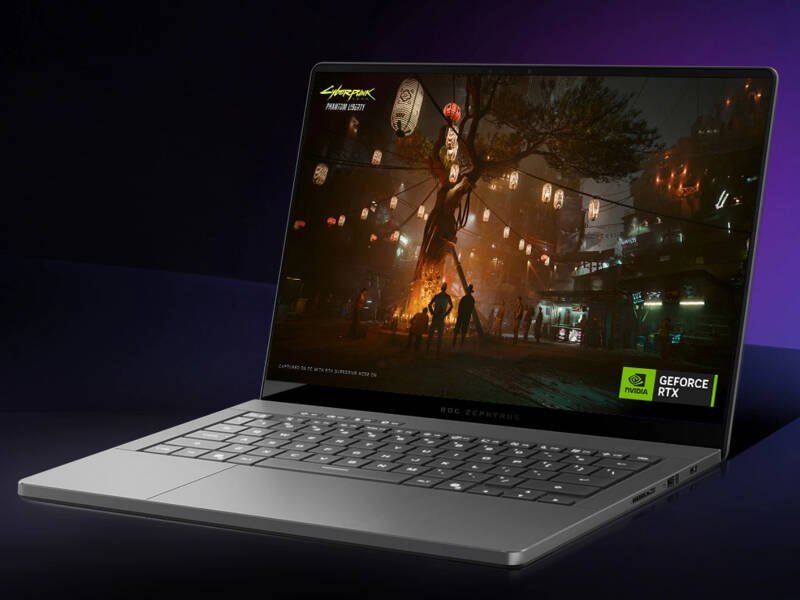
Asus has just announced a significant refresh to its popular ROG Zephyrus G14 gaming laptop. This updated model, the GU405, boasts Intel's brand-new Panther Lake platform and the option for a powerful Nvidia GeForce RTX 5080 GPU. This is set to deliver a serious boost in performance for gamers and content creators alike.
A Visual Feast: 2.8K OLED Display
The new Zephyrus G14 doesn't just pack power under the hood; it also offers a stunning visual experience. The 14-inch display now features a 2.8K OLED panel, capable of reaching a peak brightness of up to 1,100 nits. This means vibrant colors, deep blacks, and exceptional clarity, even in bright environments.
Powerhouse Specs: Panther Lake and RTX 5080
The highlight of this update is undoubtedly the inclusion of Intel's Panther Lake. While specific details about the Panther Lake processor are still emerging, we expect it to bring significant improvements in both CPU performance and power efficiency compared to previous generations. Coupled with the optional Nvidia GeForce RTX 5080 GPU, which boasts 16GB of VRAM, this laptop is designed to handle the most demanding games and creative applications with ease.
Key Specs at a Glance:
- Processor: Intel Panther Lake Platform
- Graphics: Up to Nvidia GeForce RTX 5080 (16GB VRAM)
- Display: 14-inch 2.8K OLED (up to 1,100 nits)
- Model Number: GU405
Why This News Matters
This announcement is significant because it marks the arrival of Intel's Panther Lake platform in a mainstream gaming laptop. It's a signal that Intel is pushing forward with its processor technology, aiming to compete directly with AMD's offerings. The inclusion of the RTX 5080 also demonstrates Asus' commitment to delivering top-tier gaming performance in a portable form factor. This combination of cutting-edge components makes the new Zephyrus G14 a highly desirable machine for gamers and creators who prioritize portability and performance.
Our Analysis
In our opinion, Asus has made a smart move by refreshing the Zephyrus G14 with these new components. The G14 was already a popular and well-regarded laptop, and these upgrades only solidify its position as a top contender in the 14-inch gaming laptop market.
The RTX 5080 with 16GB of VRAM is a particularly interesting choice. It suggests that Asus is targeting users who want to play the latest games at high settings and resolutions, or who work with large creative projects. The OLED display is another significant upgrade, offering a much-improved visual experience compared to traditional LCD panels.
However, the success of this laptop will depend on a few factors. Firstly, the price point needs to be competitive. Secondly, the performance of the Intel Panther Lake processor needs to live up to expectations. Finally, Asus needs to ensure that the laptop's cooling system can effectively manage the heat generated by these powerful components.
Future Outlook
The launch of the Asus ROG Zephyrus G14 with Intel Panther Lake could impact the entire gaming laptop market. We expect other manufacturers to follow suit, releasing their own laptops with Panther Lake and the latest Nvidia GPUs. This will lead to increased competition and, hopefully, lower prices for consumers.
This release also suggests that Intel is committed to remaining a key player in the laptop processor market. We anticipate further advancements from Intel in the coming years, as they continue to develop and refine their processor technology.
Furthermore, the adoption of OLED displays in gaming laptops is likely to become more widespread. The superior image quality of OLED panels makes them an attractive option for gamers and content creators who demand the best possible visual experience. This could further impact the display industry, with increased demand for OLED technology in laptops and other devices.