Artemis II: Humanity's Return to the Moon - What You Need to Know
Artemis II is set to launch, marking a historic return to the moon after 50 years. This article breaks down the mission, its significance, and future implications.
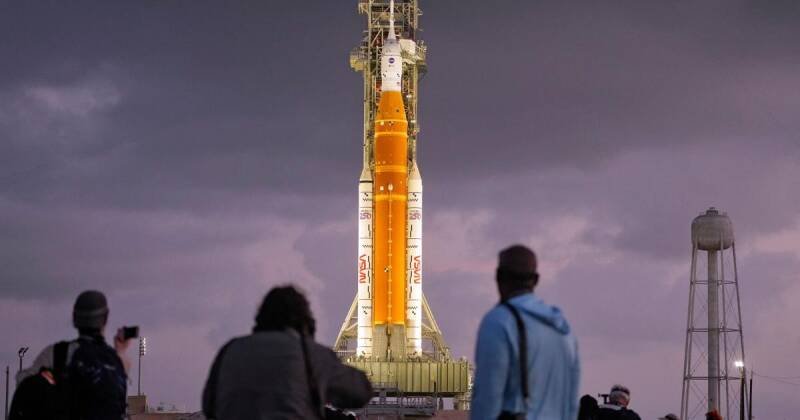



Artemis II is set to launch, marking a historic return to the moon after 50 years. This article breaks down the mission, its significance, and future implications.
Get ready for a monumental moment in space exploration! NASA's Artemis II mission is preparing to launch, sending four astronauts on a journey around the moon – the first crewed lunar mission in over half a century. The launch window opens at 6:24 p.m. EDT, kicking off a new era of lunar exploration.
This mission is far more than just a quick trip around our celestial neighbor. It's the opening act in NASA's ambitious plan to establish a permanent lunar presence, paving the way for sustained research and eventually, potential resource utilization on the moon.
The Artemis II crew comprises four highly skilled astronauts: Reid Wiseman, Victor Glover, Christina Koch, and Jeremy Hansen. They represent a diverse team, showcasing international collaboration and the growing inclusion within the space program. They will be rigorously testing the Orion spacecraft's life support systems and capabilities in the deep space environment.
The primary objective of Artemis II is to perform a flyby of the Moon. The Orion spacecraft will orbit Earth a few times to check its systems, and then get a boost from the upper stage of the Space Launch System (SLS) rocket. After that, Orion will travel to the Moon, loop around it, and return to Earth. This mission will allow NASA to demonstrate the systems for supporting humans on long-duration spaceflights, and to validate the SLS rocket and Orion spacecraft are working as expected.
This mission is a pivotal step towards realizing a long-term human presence on the Moon and beyond. Success in the Artemis program would offer unprecedented opportunities for scientific discovery, resource utilization, and technological advancement. Moreover, a return to the Moon will inspire future generations of scientists, engineers, and explorers, fostering a renewed interest in STEM fields.
In our opinion, Artemis II signifies a shift in space exploration priorities. While past missions focused largely on short-term visits, Artemis is geared toward establishing a permanent foothold on the Moon. This sustainable approach could unlock vast resources, including water ice, which can be converted into rocket fuel and life support, making long-duration missions more feasible. The commercial possibilities are huge, although some argue that the resources may be better put towards climate change.
The international collaboration within the Artemis program also reflects the growing global nature of space exploration. By working with partners like the European Space Agency (ESA) and the Canadian Space Agency (CSA), NASA is pooling resources and expertise to achieve shared goals.
The success of Artemis II will pave the way for Artemis III, the planned mission to land humans on the lunar surface near the Moon's South Pole. The ultimate goal of the Artemis program is to establish a sustainable lunar base, providing a platform for future missions to Mars and beyond. Here is how we see the future:
This could impact the way we approach scientific discovery and reshape the landscape of space travel for decades to come. While the Artemis program faces challenges, from budget constraints to technological hurdles, its potential rewards are immense. It is in our view a crucial step in expanding our understanding of the universe and shaping the future of humanity.
We will update with any changes.