Arlon-Luxembourg Cycle Path: A Green Commuting Revolution?
Construction begins on a €10m cycle path connecting Arlon and Luxembourg, aiming to reduce car dependency and promote eco-friendly commuting by 2028.
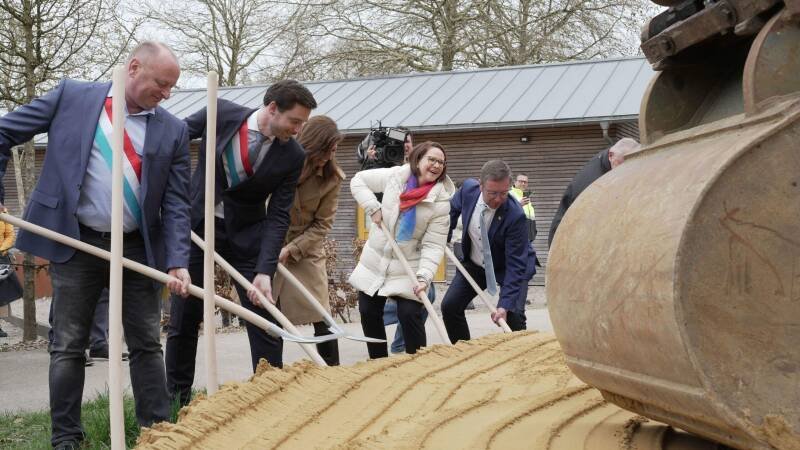



Construction begins on a €10m cycle path connecting Arlon and Luxembourg, aiming to reduce car dependency and promote eco-friendly commuting by 2028.
Good news for cyclists and environmental enthusiasts! Construction has officially started on a brand-new, dedicated cycle path connecting Arlon in Belgium to Luxembourg City. This ambitious €10 million project aims to provide a safe, reliable, and attractive alternative to car commuting for those traveling between the two cities.
The project was officially inaugurated recently, marking a significant step towards improving cross-border infrastructure and promoting sustainable transport options. Once completed (targeted for 2028), the cycle path will offer a direct and dedicated route, separated from vehicular traffic, making it a significantly safer and more appealing option for cyclists of all levels.
Currently, commuting between Arlon and Luxembourg often involves navigating busy roads with limited cycling infrastructure, making it a daunting and potentially dangerous experience. This new path addresses these concerns head-on, aiming to drastically increase the number of people choosing to cycle for their daily commute.
This project isn't just about building a cycle path; it represents a broader shift towards prioritizing sustainable mobility and reducing our reliance on cars. The environmental benefits are clear: fewer cars on the road translate to lower carbon emissions and improved air quality. Furthermore, increased cycling promotes healthier lifestyles and can contribute to reducing traffic congestion.
For the local communities in Arlon and Luxembourg, this initiative has the potential to boost local economies. Cyclists may stop at local businesses along the route, contributing to increased revenue for shops, cafes, and other services. It also enhances the attractiveness of both cities as places to live and work, particularly for those who prioritize eco-friendly living.
In our opinion, this cycle path is a crucial investment in the future of sustainable transport. The project's success hinges on several factors, including the quality of the infrastructure, the promotion of the route to potential users, and the integration of the cycle path with existing cycling networks in both Arlon and Luxembourg.
The commitment of €10 million demonstrates a serious commitment to the project, suggesting that the relevant authorities are dedicated to creating a high-quality and well-maintained cycle path. However, it is important to ensure that the project remains on schedule and within budget to avoid delays and cost overruns.
Several challenges need to be addressed to ensure the project's long-term success. These include:
Looking ahead, the Arlon-Luxembourg cycle path could serve as a model for other cross-border cycling projects within the European Union. As cities and regions increasingly prioritize sustainable mobility, we expect to see more initiatives like this being developed across Europe. This could impact urban planning significantly.
The long-term success of this project will depend on ongoing investment in cycling infrastructure and the promotion of cycling as a viable and attractive mode of transport. It will also require collaboration between local authorities, cycling advocacy groups, and the wider community.
Ultimately, the Arlon-Luxembourg cycle path represents a promising step towards a more sustainable and bike-friendly future. Only time will tell if it meets its ambitious goals, but the initial signs are encouraging. We believe that this initiative has the potential to transform commuting habits and contribute to a greener, healthier, and more vibrant future for both Arlon and Luxembourg.