Are Smart Glasses Worth It? 5 Features That Actually Matter
Smart glasses are evolving! Discover 5 key features making them more practical than ever before. Learn about their potential and future impact.
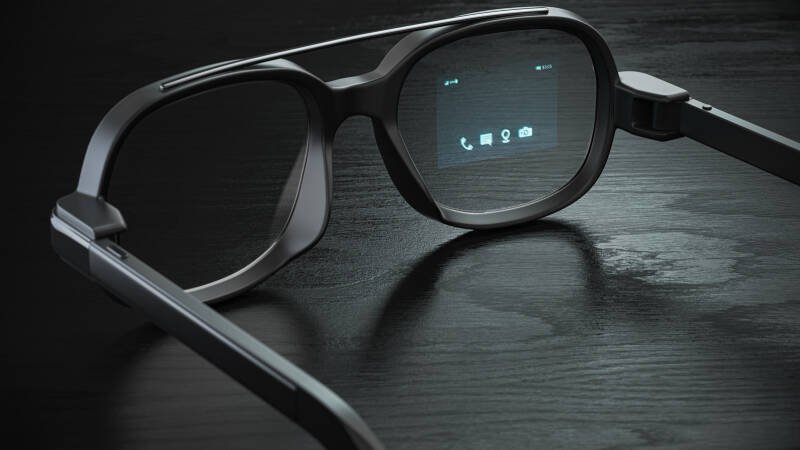



Smart glasses are evolving! Discover 5 key features making them more practical than ever before. Learn about their potential and future impact.
Smart glasses have often been met with skepticism. Are they just another tech fad destined to gather dust in a drawer? While early iterations struggled to find their footing, recent advancements are making a compelling case for their usefulness. Let's break down five key features that are changing the game and making smart glasses a potentially valuable tool.
One of the biggest advantages of smart glasses is their ability to provide information without requiring you to fumble with your phone. Imagine walking through a new city and having directions projected directly onto your lenses, guiding you turn-by-turn. Or, consider a technician repairing complex machinery, accessing schematics and instructions overlaid onto their view of the real world. This hands-free access significantly boosts productivity and safety in various scenarios.
Many smart glasses offer seamless integration with communication platforms. You can make calls, send messages, and even participate in video conferences without ever touching your phone. This is particularly useful for professionals who need to stay connected while on the move or in situations where using a phone would be impractical. This could impact remote collaboration significantly by increasing agility and shortening response times.
Language barriers can be a significant obstacle in international travel or business dealings. Some smart glasses are equipped with real-time translation capabilities, displaying translated text directly in your field of vision. This feature could be a game-changer for travelers, allowing them to effortlessly navigate foreign countries and communicate with locals. It also helps in fostering better global collaboration and understanding.
Capturing moments from a first-person perspective becomes incredibly easy with smart glasses. Many models include built-in cameras that allow you to take photos and videos hands-free. This is ideal for capturing unique angles and perspectives, documenting experiences, or creating content for social media. Think about capturing a memorable hike, or recording complex tasks for tutorials.
This is where smart glasses truly shine. Augmented reality overlays digital information onto the real world, opening up a vast range of possibilities. From gaming and entertainment to education and training, AR applications can transform the way we interact with our surroundings. Imagine learning about the history of a building by simply looking at it through your smart glasses, or practicing a surgical procedure on a virtual patient. The possibilities are virtually limitless. In our opinion, AR applications are the key to unlocking the full potential of smart glasses.
The evolution of smart glasses has significant implications for various industries and individuals. For businesses, smart glasses offer opportunities to improve efficiency, enhance training, and provide better customer service. For consumers, they offer a more convenient and immersive way to access information, communicate, and experience the world around them. Ultimately, these features improve the quality of life and help to improve connectivity.
While smart glasses still face challenges such as battery life, aesthetics, and privacy concerns, the advancements in functionality are undeniable. The features highlighted above demonstrate a clear shift towards practicality and utility. The success of smart glasses will depend on addressing these challenges and continuing to develop innovative applications that solve real-world problems. However, the trajectory is exciting. In our opinion, the key will be a seamless integration with existing workflows and daily habits.
The future of smart glasses looks bright. As technology continues to evolve, we can expect to see even more sophisticated features, improved performance, and sleeker designs. Artificial intelligence (AI) will likely play a key role, enabling smart glasses to learn from user behavior and provide personalized experiences. Furthermore, expect to see wider adoption across industries such as manufacturing, healthcare, and logistics. This could impact our daily lives significantly in the coming years, transforming the way we work, learn, and interact with the world.