Alamosa City Council Grapples with ICE Detainees: What It Means for the Community
Alamosa City Council is facing a tough decision regarding ICE's increased activity in the city. Learn about the implications for the community.
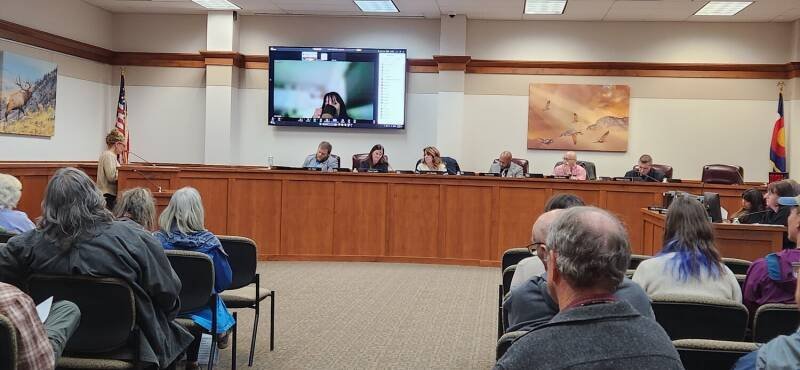



Alamosa City Council is facing a tough decision regarding ICE's increased activity in the city. Learn about the implications for the community.
Alamosa City Council found itself at the center of a challenging discussion during its Wednesday night meeting. The topic? The increasing presence and activities of Immigration and Customs Enforcement (ICE) in the city. It turns out that ICE, which has maintained a facility in Alamosa for years, is now temporarily detaining individuals suspected of being undocumented immigrants.
For those unfamiliar, ICE is a federal law enforcement agency responsible for enforcing immigration laws within the United States. Their activities can range from investigating immigration violations to detaining and deporting individuals who are found to be in the country illegally. The fact that ICE is now holding detainees in Alamosa, even temporarily, marks a shift in their operations and raises questions about the city's role in federal immigration enforcement.
This news is significant for several reasons. First, it highlights the ongoing national debate surrounding immigration and how it plays out at the local level. Small cities like Alamosa are increasingly becoming focal points in these discussions. Second, it raises concerns about the human rights and due process of those being detained. Are they receiving adequate legal representation? Are their basic needs being met? Finally, it could impact the social fabric of Alamosa, potentially creating tensions between different groups within the community.
In our opinion, the Alamosa City Council is walking a tightrope. On one hand, they have a responsibility to cooperate with federal law enforcement. On the other hand, they must ensure the well-being and rights of all residents, regardless of their immigration status. The council's response will likely shape the city's reputation and its relationship with both the federal government and the local community.
This situation could also trigger a broader conversation about the ethical implications of local communities becoming involved in federal immigration enforcement. Should cities actively participate in these efforts? Or should they prioritize local concerns and limit their cooperation?
Looking ahead, the Alamosa City Council faces several key decisions. They will need to determine their level of cooperation with ICE, develop policies to protect the rights of all residents, and address the potential social and economic consequences of ICE's increased activity. It's likely that community members will be demanding transparency and accountability from their elected officials.
This situation could also prompt other communities in Colorado and across the country to examine their own relationships with ICE and consider the potential impacts of federal immigration enforcement on their local populations. This could impact local politics in Alamosa.
Ultimately, the Alamosa City Council's response to this challenge will have a lasting impact on the city and its residents. It is crucial that they proceed with careful consideration, transparency, and a commitment to upholding the values of fairness and justice for all.