AI in Education: Kathmandu University Teacher Training Workshop - A Hands-On Approach
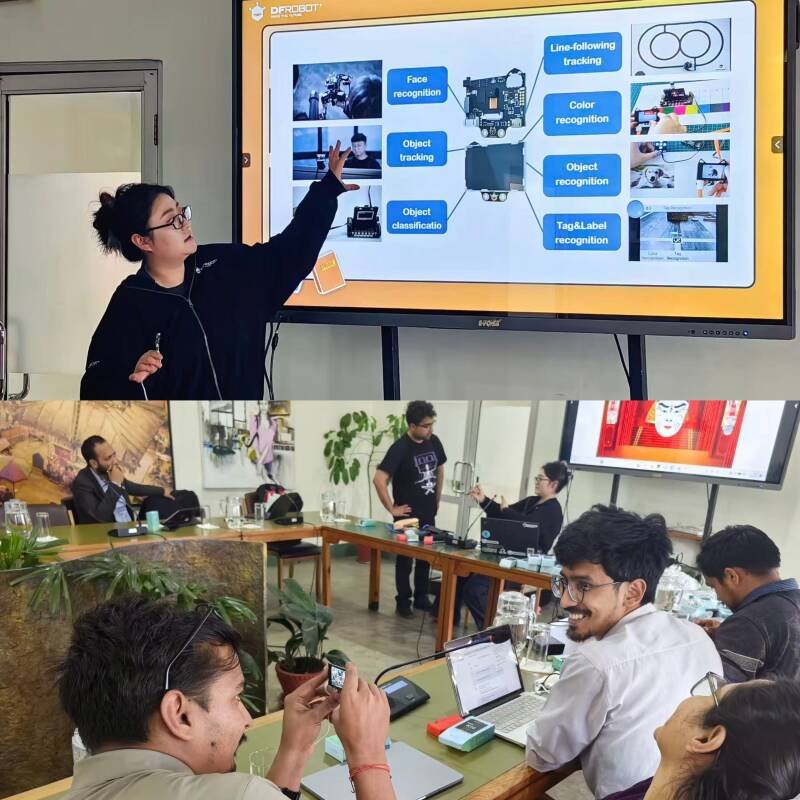
A teacher training workshop at Kathmandu University is equipping educators with the skills to teach AI in K-12 classrooms using hands-on, project-based learning. Learn how to introduce AI concepts without advanced coding.
AI in Education: Kathmandu University Teacher Training Workshop - A Hands-On Approach
Artificial intelligence (AI) is rapidly transforming our world, and its influence is increasingly felt in education. But how can teachers, many without advanced coding skills, effectively introduce AI concepts to their students? A recent workshop at Kathmandu University provided a practical answer: hands-on, project-based learning.
Empowering Educators with Practical AI Skills
The workshop, held at Kathmandu University, focused on equipping K-12 teachers with the tools and strategies to integrate AI into their classrooms. The emphasis was on demystifying AI and making it accessible through engaging, hands-on activities. Instead of overwhelming teachers with complex coding requirements, the workshop focused on practical applications of AI that can be readily implemented.
A Hands-On Approach to AI Education
The key takeaway from the workshop was the power of project-based learning. Teachers were guided through creating AI-related projects that students could build and interact with. These projects were designed to be accessible, requiring minimal coding expertise but fostering a deep understanding of AI concepts. This hands-on approach is crucial for making AI tangible and relatable for young learners.
Why This News Matters
The integration of AI into K-12 education is no longer a futuristic concept; it's a present-day necessity. As AI becomes increasingly pervasive in various industries, it's vital that students develop a foundational understanding of its capabilities and limitations. This workshop at Kathmandu University demonstrates a practical and effective model for achieving this goal. If scaled and adopted effectively, the education sector can adapt more rapidly and better educate the new generation.
For educators, this workshop represents an opportunity to enhance their skillset and prepare their students for the future. For students, it means gaining valuable knowledge that will be relevant in an increasingly AI-driven world.
Our Analysis
In our opinion, the Kathmandu University workshop highlights a crucial shift in how AI education should be approached. The focus on hands-on, project-based learning is significantly more effective than traditional, coding-heavy methods. By empowering teachers with accessible tools and strategies, it ensures that AI education reaches a wider audience.
The accessibility of the curriculum is particularly noteworthy. By minimizing the reliance on advanced coding skills, the workshop makes AI education inclusive and achievable for teachers with diverse backgrounds and skill levels. This approach is essential for bridging the digital divide and ensuring that all students have access to quality AI education.
This could impact the future of job markets. If students aren't prepared for working alongside AI, then they could be left behind.
Future Outlook
The success of the Kathmandu University workshop suggests a promising future for AI education. As more educators embrace hands-on, project-based learning, we can expect to see a significant increase in AI literacy among students.
Moving forward, it will be crucial to:
- Develop more accessible AI education resources for teachers.
- Provide ongoing professional development opportunities for educators.
- Integrate AI concepts across various subject areas, not just STEM.
- Assess the effectiveness of different AI education approaches.
By investing in AI education today, we can empower the next generation to become innovators, problem-solvers, and leaders in an AI-driven world. This ultimately benefits society as a whole.