Afghanistan Floods: Devastation, Displacement, and Future Risks Explained
Learn about the devastating floods in Afghanistan, their impact, and the long-term implications. Get expert analysis on climate change, disaster preparedness, and the future outlook.
Afghanistan Floods: Devastation, Displacement, and Future Risks Explained
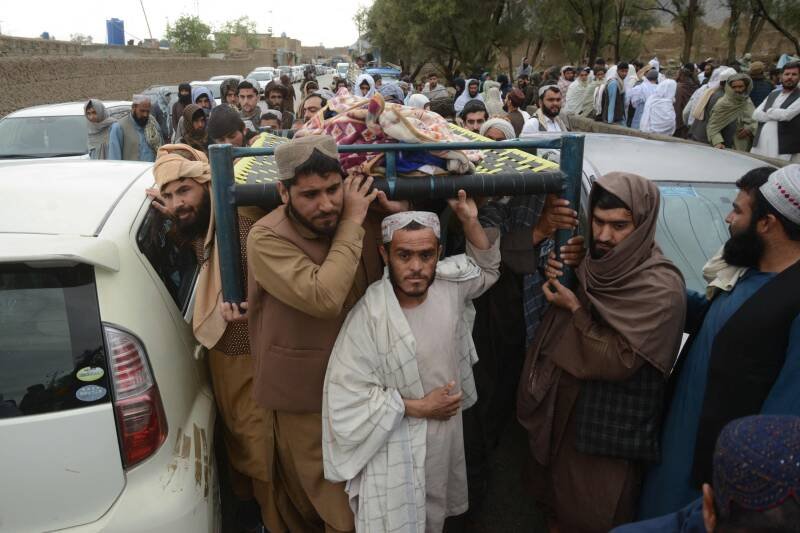
Devastating floods have swept through Afghanistan in the last eight days, claiming at least 51 lives and injuring 89, according to recent reports. Torrential rains have unleashed widespread flooding, leaving thousands displaced and exacerbating an already dire humanitarian situation in the country.
The Scale of the Disaster
The relentless rainfall has overwhelmed infrastructure and communities across large parts of Afghanistan. Homes have been destroyed, roads have become impassable, and farmland has been inundated, crippling livelihoods. The scale of the disaster is significant, stretching resources and leaving many in desperate need of assistance.
The number of casualties and the extent of the damage continue to rise as rescue efforts are underway and assessments are being conducted. This presents immense challenges for aid organizations and the Afghan government, which are already grappling with economic hardship and political instability.
Why This News Matters
This news is not just about a natural disaster; it highlights several crucial interconnected issues:
- Humanitarian Crisis: The floods have amplified the existing humanitarian crisis in Afghanistan, where millions already face food insecurity and lack access to basic services.
- Climate Change Impact: This event serves as a stark reminder of the devastating effects of climate change, particularly in vulnerable regions like Afghanistan. Increased frequency and intensity of extreme weather events are predicted as global temperatures rise.
- Disaster Preparedness: The floods expose the lack of adequate disaster preparedness and infrastructure in Afghanistan, making communities highly vulnerable to natural hazards.
- Economic Impact: The destruction of homes, infrastructure, and farmland will have significant long-term economic consequences, further destabilizing the country.
Our Analysis
In our opinion, the Afghanistan floods underscore the urgent need for a multi-faceted approach to address climate change and disaster risk reduction. While the immediate focus is on providing emergency relief, long-term solutions are crucial for building resilience and preventing future catastrophes.
This disaster highlights the vulnerability of Afghanistan to extreme weather events. Factors like deforestation, land degradation, and inadequate infrastructure contribute to the severity of the impact. Furthermore, the ongoing political instability and economic challenges hinder effective disaster management and recovery efforts.
This could impact the long-term development goals in Afghanistan. The destruction of infrastructure and displacement of communities will undoubtedly divert resources away from other critical areas like education and healthcare. It also risks increasing internal migration and further straining already limited resources.
Future Outlook
The future outlook for Afghanistan is concerning. Climate models predict that extreme weather events will become more frequent and intense in the region. Without significant investment in disaster preparedness, infrastructure development, and climate change adaptation, the country will remain highly vulnerable to future disasters.
To mitigate the risks, the following steps are essential:
- Strengthening Disaster Preparedness: Developing early warning systems, conducting risk assessments, and training communities in disaster response are crucial.
- Investing in Infrastructure: Building climate-resilient infrastructure, such as flood defenses and improved drainage systems, is essential for protecting communities and assets.
- Promoting Sustainable Land Management: Addressing deforestation and land degradation through sustainable land management practices can reduce vulnerability to flooding.
- Climate Change Adaptation: Implementing climate change adaptation measures, such as drought-resistant crops and water conservation techniques, can help communities cope with changing weather patterns.
- International Cooperation: Increased international cooperation and financial assistance are vital for supporting Afghanistan in its efforts to build resilience to climate change and disasters.
In conclusion, the recent floods in Afghanistan represent a significant setback for the country. However, with concerted efforts and strategic investments, it is possible to mitigate the risks and build a more resilient future. The international community has a crucial role to play in supporting Afghanistan in this endeavor.