Afghan Refugee in Toronto Faces Medical Challenges, Community Rallies Support
Ewaz Nabizada, an Afghan refugee recently airlifted to Toronto, is recovering from an aneurysm. Learn how his friend is mobilizing the community to help.
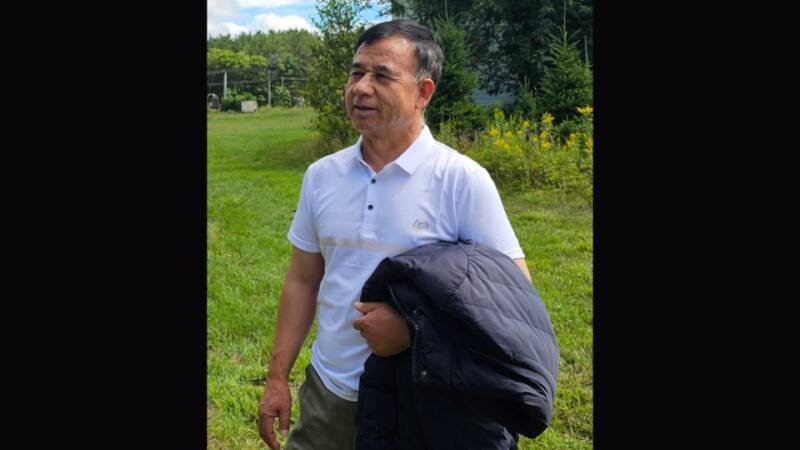



Ewaz Nabizada, an Afghan refugee recently airlifted to Toronto, is recovering from an aneurysm. Learn how his friend is mobilizing the community to help.
Ewaz Nabizada, a newly arrived Afghan refugee in Toronto, is facing a significant health challenge. After being airlifted to Canada, Ewaz suffered an aneurysm and is now undergoing a lengthy recovery process. His friend is spearheading a community-driven effort to provide him with the support he needs during this difficult time.
Ewaz's journey to Canada was already fraught with the challenges faced by many refugees. Arriving in a new country, adapting to a new culture, and navigating the complexities of resettlement are all significant hurdles. Now, coupled with a serious health condition, his situation has become even more precarious. He is expected to require months of recovery, during which he will be unable to work and will require ongoing medical care.
Recognizing the immense challenges Ewaz faces, a close friend has stepped up to organize support. This individual is working tirelessly to raise awareness about Ewaz's situation and to mobilize the local community to provide assistance. Their efforts include fundraising initiatives to help cover medical expenses, living costs, and other essential needs during his recovery.
This story highlights the often-overlooked challenges faced by refugees and newcomers, especially those with pre-existing health conditions or who experience medical emergencies shortly after arrival. It underscores the importance of accessible healthcare and community support systems for vulnerable populations. It also serves as an inspiring example of how communities can come together to help those in need, demonstrating the power of human connection and compassion in the face of adversity.
The speed at which Ewaz was brought to Canada and how quickly his friend and community stepped in to help represents the best of humanity. It underlines the importance of refugee resettlement programs and the vital role that local support networks play in ensuring successful integration. In our opinion, this situation also reveals potential gaps in the support system, specifically regarding immediate and comprehensive healthcare access for refugees upon arrival. We believe that streamlining these services is crucial to prevent further hardship for vulnerable newcomers.
Navigating the Canadian healthcare system can be daunting even for those who are familiar with it. For newcomers, especially those who don't speak English or French fluently, the process can be even more overwhelming. This case highlights the need for culturally sensitive and language-accessible healthcare services for refugees and immigrants. More specifically, ensuring that immediate medical care is available for newcomers with potentially urgent health conditions will likely have a tremendous positive impact.
Ewaz's recovery will be a long and challenging process. The success of his recovery and integration into Canadian society will depend heavily on the continued support of the community and the availability of adequate resources. This could impact his ability to find meaningful employment and build a new life in Canada. Furthermore, this case could potentially influence policy changes related to refugee healthcare and resettlement programs, advocating for better and more streamlined services.
Beyond the immediate fundraising efforts, long-term support will be crucial for Ewaz's well-being. This includes access to language classes, job training programs, and mental health services to help him adjust to his new life and overcome the trauma of his past experiences. The ongoing commitment of the community will be essential to ensure his long-term success and integration.
The outpouring of support for Ewaz demonstrates the strong sense of community in Toronto and the willingness of residents to help those in need. This event can strengthen social bonds and promote a more inclusive and welcoming environment for refugees and immigrants. It can also serve as a catalyst for further action and advocacy to improve the lives of vulnerable populations.