1776 Musical: Why This Founding Fathers Story Still Resonates Today
The musical "1776" is enjoying a resurgence as America approaches its 250th anniversary. We explore its enduring relevance and lasting impact.
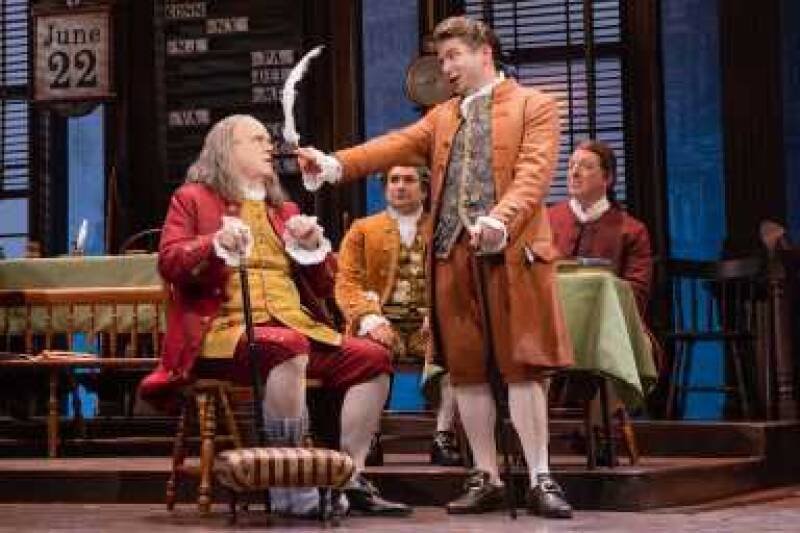



The musical "1776" is enjoying a resurgence as America approaches its 250th anniversary. We explore its enduring relevance and lasting impact.
As America approaches its 250th birthday, a musical about the nation's founding, "1776," is experiencing a significant revival. This spring, multiple prominent theaters are staging productions, including Paper Mill Playhouse in New Jersey (through May 2), Ford's Theatre in Washington, D.C. (through May 16), and Walnut Street Theatre in Philadelphia (April 14-May 31). These productions, generally taking a traditional approach to the material, suggest a continued interest in and relevance of the story of America's independence.
"1776" is a musical that dramatizes the events leading up to the signing of the Declaration of Independence. It focuses on the political maneuvering, debates, and personal struggles of the delegates to the Continental Congress. Characters like John Adams, Benjamin Franklin, and Thomas Jefferson are portrayed not as mythical figures, but as flawed, passionate individuals grappling with difficult decisions. The musical blends historical facts with creative license to create a compelling and accessible narrative.
The revival of "1776" is more than just a theatrical event. It speaks to the ongoing national conversation about America's history, its ideals, and its contradictions. In a time of deep political division and re-evaluation of historical narratives, revisiting the story of the nation's founding can provide valuable insights and prompt crucial discussions. The fact that these productions are drawing audiences indicates a desire to understand the complexities of American history and the compromises that shaped the nation.
The enduring appeal of "1776" lies in its ability to humanize historical figures. It reminds us that the Founding Fathers were not perfect individuals, but rather men with conflicting opinions and personal ambitions who ultimately came together to create something extraordinary. The musical highlights the messy and often contentious process of political negotiation, demonstrating that progress often requires compromise and sacrifice.
In our opinion, the timing of these revivals is particularly significant. As America grapples with issues of racial injustice, economic inequality, and political polarization, revisiting the origins of the nation can offer a fresh perspective on these challenges. It can also encourage a more nuanced understanding of American history, acknowledging both its triumphs and its failures.
The success of these current productions suggests that "1776" will continue to be a relevant and engaging piece of theater for years to come. This could impact how historical narratives are presented and consumed in the future. The renewed interest may lead to further adaptations or reinterpretations of the story, potentially reaching new audiences. We might see increased educational use of the musical, encouraging students to engage with American history in a more dynamic and accessible way.
Furthermore, the themes explored in "1776" – liberty, equality, and self-governance – are universal and timeless. As such, the musical's message will likely resonate with audiences around the world, promoting dialogue and reflection on the fundamental principles of democracy.
In conclusion, the revival of "1776" is a noteworthy event that reflects a broader societal interest in understanding and re-evaluating American history. Its enduring themes and compelling characters ensure its continued relevance in a rapidly changing world.